Non Fiction
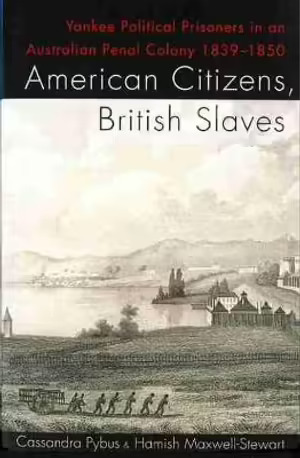
American Citizens, British Slaves: Yankee political prisoners in an Australian penal colony, 1839–1850 by Cassandra Pybus and Hamish Maxwell-Stewart
In 1969 Indonesia exiled one of its greatest writers to a penal colony on the island of Baru. Pramoedya Ananta Toer was transported as a political prisoner. No one informed him then or later of the charges against him. One day the commander inspected the prisoners’ quarters. Pram (as he is fondly known by many) writes: ‘At the meeting’s close he presented me with a gold Pilot fountain pen, a bottle of ink and a thick legal size writing tablet ... I had permission to write. And, indeed, an accompanying letter signed by the major granted me restoration of the right to write.’
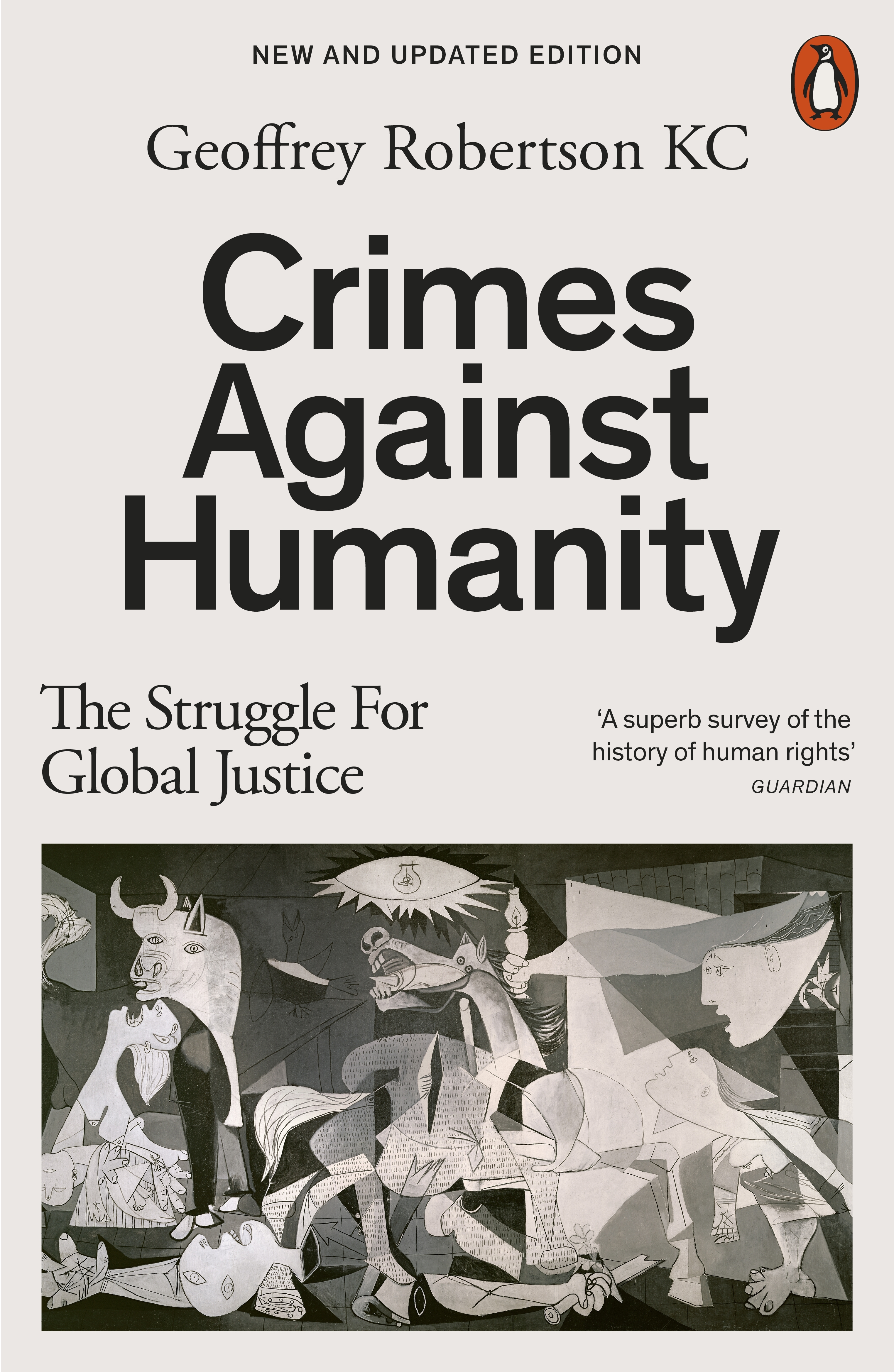
... (read more)Crimes Against Humanity: The struggle for global justice (second edition) by Geoffrey Robertson
Geoffrey Robertson’s new edition of his magisterial Crimes Against Humanity demonstrates exactly why popular culture in the murderous twentieth century opted for a Seven Samurai (or Magnificent Seven) version of retribution for crimes inflicted on peoples. It was so much more exciting – and cathartic – to watch a charismatic band of ad hoc avengers wreak rough justice than to wait upon the grinding-small processes of the law. But it is the compensating virtue of Robertson’s book that it makes the convincing case for those legal processes.
... (read more)Girl Heroes: The new force in popular culture by Susan Hopkins
When young girls are mentioned in the same breath as the internet, talk to bound to turn to the necessity of protecting them from the myriad adult sexual predators lurking in the shadows of chat rooms. The idea that children, and in particular young girls, are innocents who need protection from the adult world is one of our most deeply rooted cultural beliefs. The borderless character of the Net – the fact that it allows adults and children to exchange images and information – is seen as something that jeopardises this innocence.
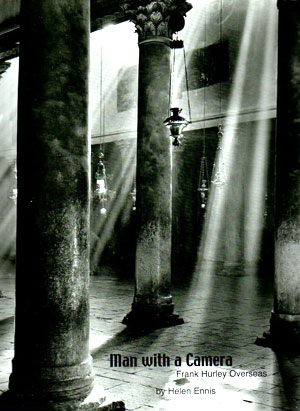
... (read more)During a career that lasted almost sixty years, Frank Hurley (1895–1962) produced thousands of negatives and more than sixty films. He also wrote some twenty books and was an avid diarist. A number of biographies have been written on Hurley, and Helen Ennis, in Man with a Camera: Frank Hurley Overseas, makes no attempt to revisit territory covered in these earlier publications, choosing to focus on a particular aspect of Hurley’s oeuvre: the photographs he took outside Australia. She draws on the extraordinary holdings of Hurley photographs in the National Library of Australia. The book comprises more than seventy full-page images illustrating the range of Hurley’s international work. It also complements John Thompson’s Hurley’s Australia: Myth, Dream, Reality, published by the NLA in 1999.
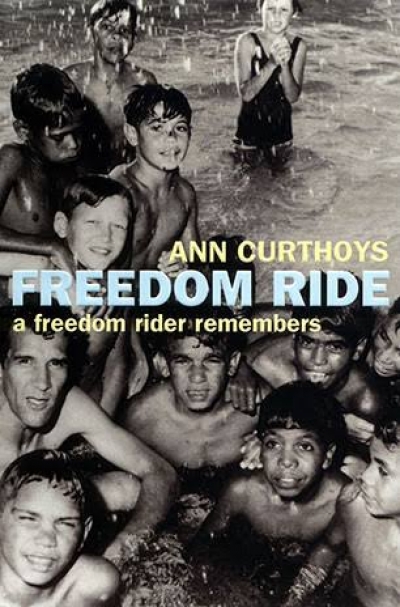
... (read more)Ann Curthoys’s Freedom Ride is a meticulously researched piece of Australian history, and so much more. It could sit comfortably on the required reading lists of subjects ranging from History, to Government, to Media. This ‘road story’ of peripatetic direct democracy, from people too young to assert the right to vote for change, is also an inspirational text that makes you question your own passivity to the wrongs in our world.
... (read more)How Simone de Beauvoir Died in Australia: Stories and essays by Sylvia Lawson
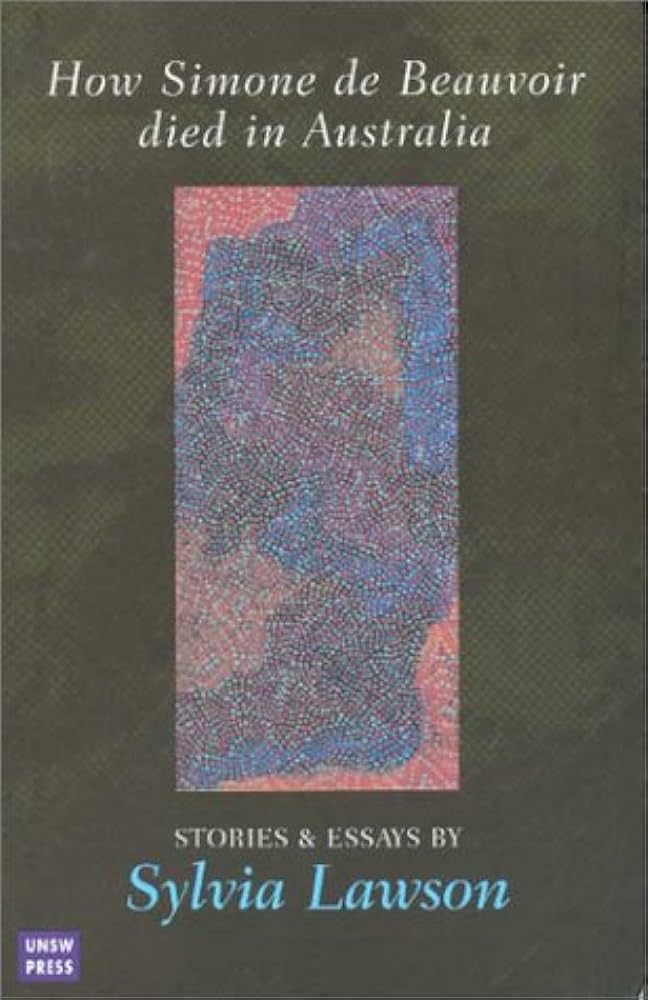
Sylvia Lawson’s How Simone de Beauvoir Died in Australia warrants a second reading to be properly appreciated. The seven pieces in this collection are intricately connected, so that the messages are cumulatively conveyed. The book manifests its author’s ambitious desire to raise the consciousness of her readers. For me, however, the question remains: who is the intended audience?
... (read more)Xavier Herbert: Letters edited by Frances de Groen and Laurie Hergenhan
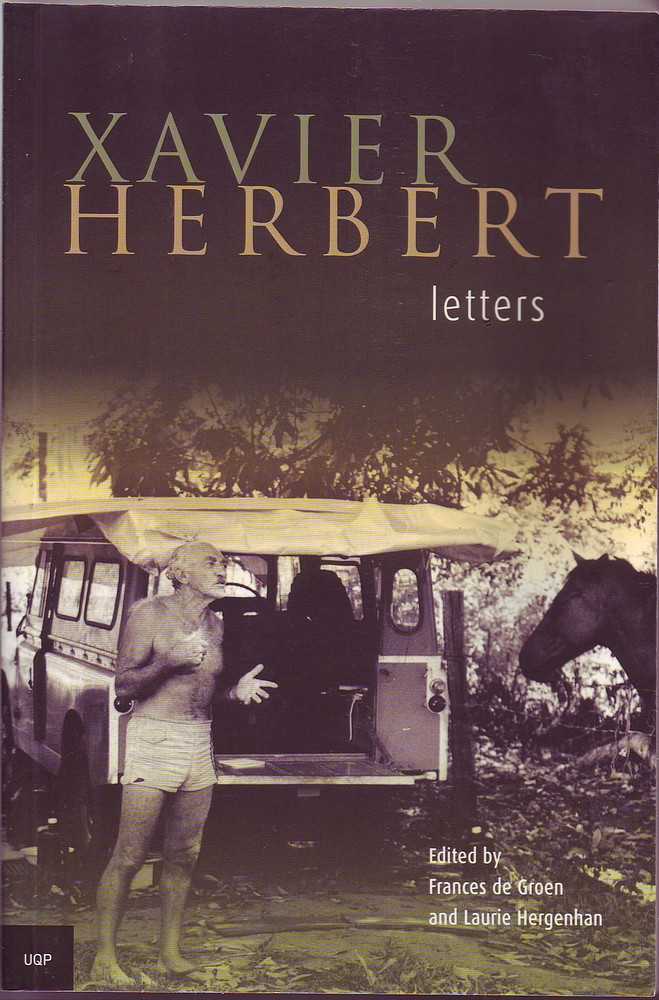
The cover of this substantial volume tells you what’s coming: it features a photograph of Xavier Herbert, sixtyish and fit-looking, standing behind the converted 4WD that constitutes his bush camp and dressed in nothing but a pair of stubbies. His eyes are blazing and a bit mad, his shoulders slightly hunched, and he looks as if he’s been holding forth for some time. To whom? For Herbert, it probably didn’t matter. You can see the man Vance Palmer described in 1941: ‘You feel he’s got a large chaotic world of jetting imagination inside him and it will always be desperately hard for him to write because he’s got a lot to say and he’s got this sort of garrulousness that keeps him talking about his matter instead of brooding on it and giving it form.’
... (read more)Franca by Franca Arena & Speaking for Myself Again by Cheryl Kernot
If Cheryl Kernot writes another book – and if Speaking for Myself Again is anything to go by, you had better hope she doesn’t – her publishers should at the very least make sure the punctuation police do their job. It appears they didn’t even show up to the scene of the accident this time. Exclamation marks are strewn throughout the work. Each time Kernot wants to bitterly labour a point, up pops an exclamation mark, as if she’s hitting the keyboard and cursing, ‘Take that you bastards’. Thus we get: ‘And some people can be so rude!’; ‘Women have sustained me!’; ‘I could write a whole book on my experiences with the media. Perhaps I will!’; and ‘Opinion rules!’ In a teen diary, that’s fine, but not in a book by a former senior federal parliamentarian.
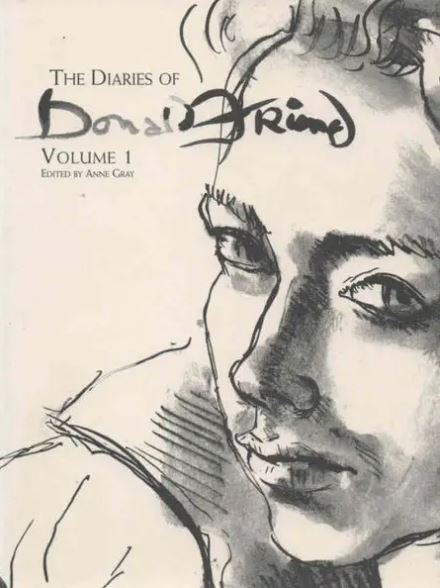
... (read more)'It is simply a very young girl’s record of her own thoughts and impressions, and consequently meant for publication.’ Oscar Wilde’s Cecily, in The Importance of Being Earnest, expresses the contradictions of many diarists. Whether by chance, or by the diarist’s own wish, this most private form of writing often comes before the public. It may be that in the diary’s purest form the self communes with the solitary self. Yet many of the great diarists have a strong sense of audience. Writing a diary is a means of exploring the self, but it is also a way of testing voices, trying on masks. This element of theatre is very strong in the diaries of Donald Friend.
... (read more)The Penguin Book of Etiquette: The complete Australian guide to modern manners by Marion von Adlerstein
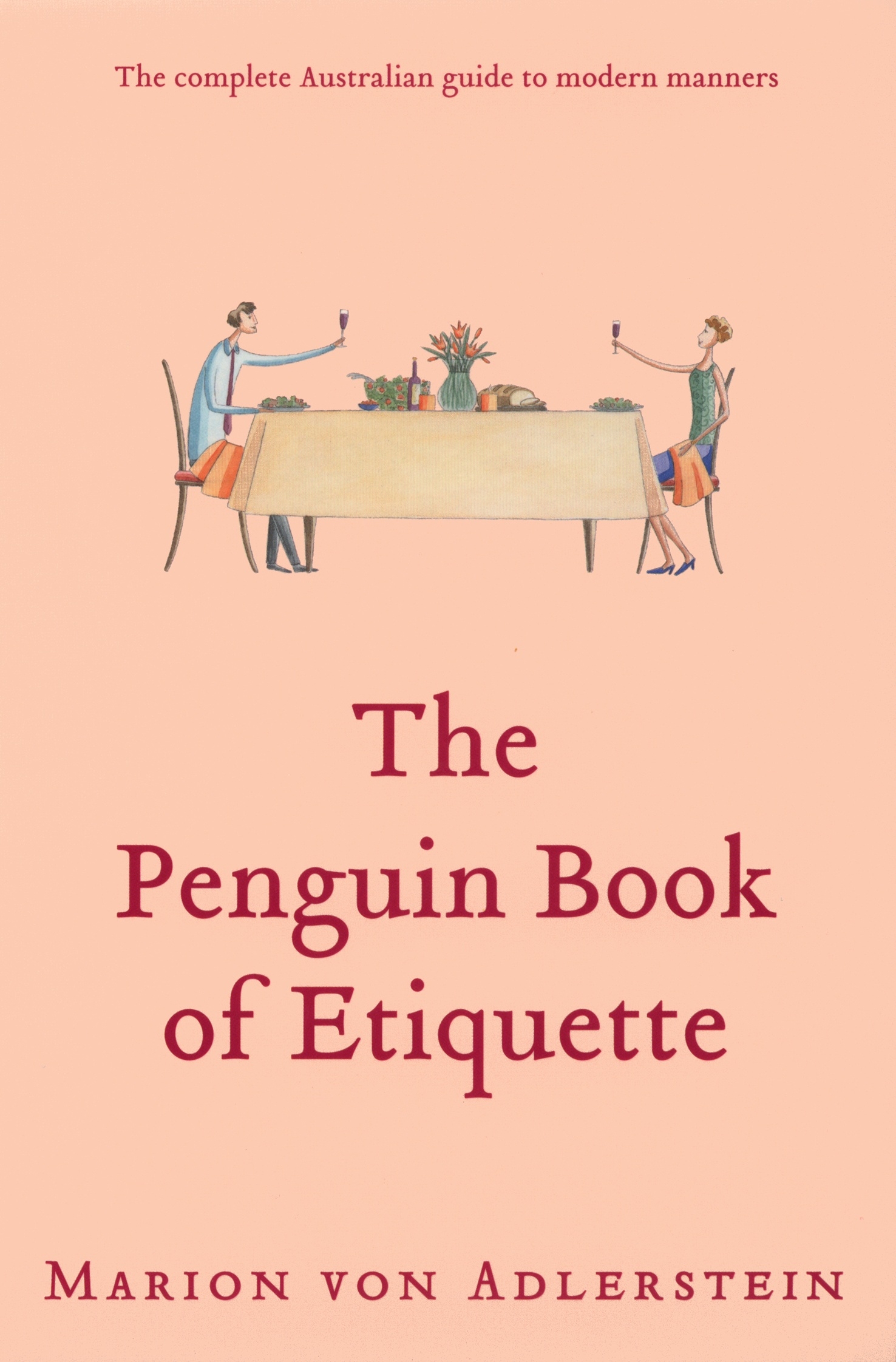
Smugness is an occupational hazard for the writer on etiquette. The exquisite Miss Manners, in Miss Manners’ Guide to Excruciatingly Correct Behaviour, describes the ‘wicked joy’ of her trade: ‘There is that pleasant bubble in the throat, the suppressed giggle at another’s ignorance; the flush of generosity accompanying the resolve to set the poor soul straight; that fever of human kindness when one proclaims, for the benefit of others, one’s superior knowledge.’ Suppressed giggles resound through-out the genre. Surely there’s one coming from the late John Morgan in Debrett’s New Guide to Etiquette and Modern Manners when he suggests that ‘when inviting royalty it is important first to decide, as with any guest, if you are on close enough terms to proffer an invitation’; or that ‘it is bad manners to expel any liquid from any orifice in public, and breastfeeding is no different’.
... (read more)