Accessibility Tools

  • Content scaling 100%
  • Font size 100%
  • Line height 100%
  • Letter spacing 100%

Non Fiction

Tracks by Robyn Davidson

by
March 1981, no. 28

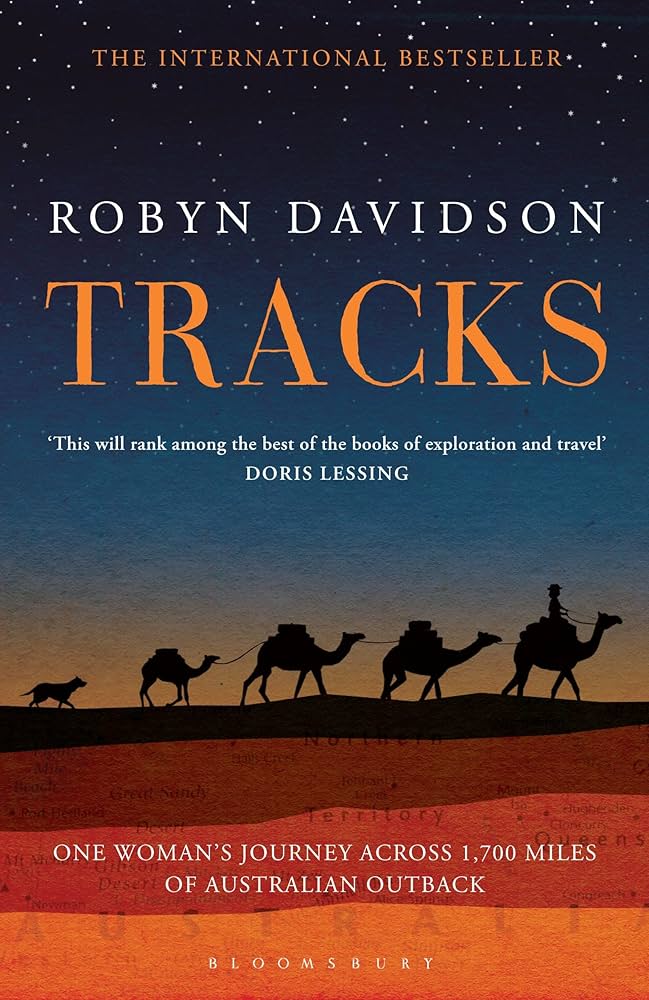
But why would anyone want to do it? This seems a reasonable question to ask about Robyn Davidson’s self-imposed ordeal: Davidson taught herself from scratch to tame and train camels, then travelled with four of them and one dog across 1700 miles of desert from Alice Springs to the coast of Western Australia. Tracks is the book she wrote about it.

... (read more)

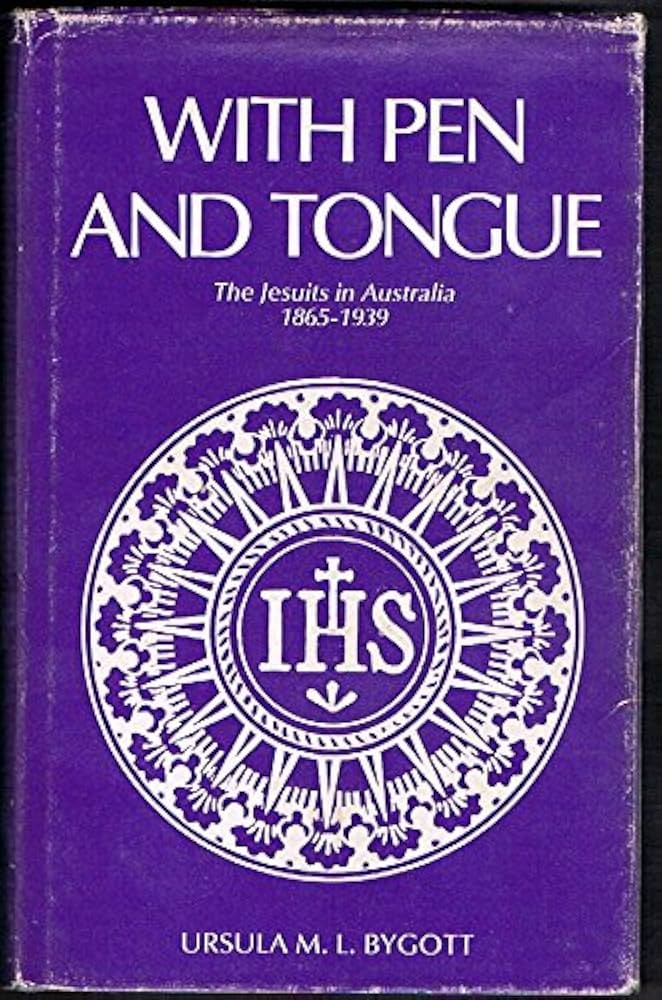
The Jesuits are, whatever else you might say about them, formidable. Dr Bygott quotes Francis Bacon, who believed that the Jesuits as teachers ‘are so good that I wish they were on our side’.

... (read more)

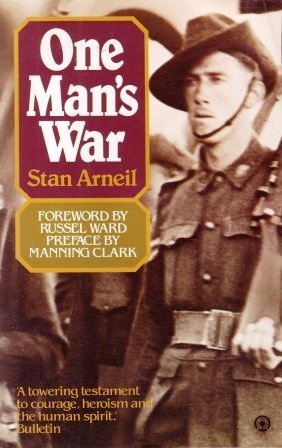
The men of the 2/30th Battalion laughingly enlisted. They didn't laugh on 16 February 1942 when, as part of the 8th Division and the Singapore garrison, they reluctantly surrendered to the Japanese. Happiness being relative, some of these Australians laughed all the way from Changi to a new camp near the wharves. Struggling to load bagged salt, they had no laughter, just helpless sickness in the stomach, as Sergeant Stan Arneil was savagely beaten by guards. Scenes change, states of mind go up and down, until the survivors are about to disembark in Sydney late in 1945: ‘and everybody on the ship is laughing all the time’.

... (read more)

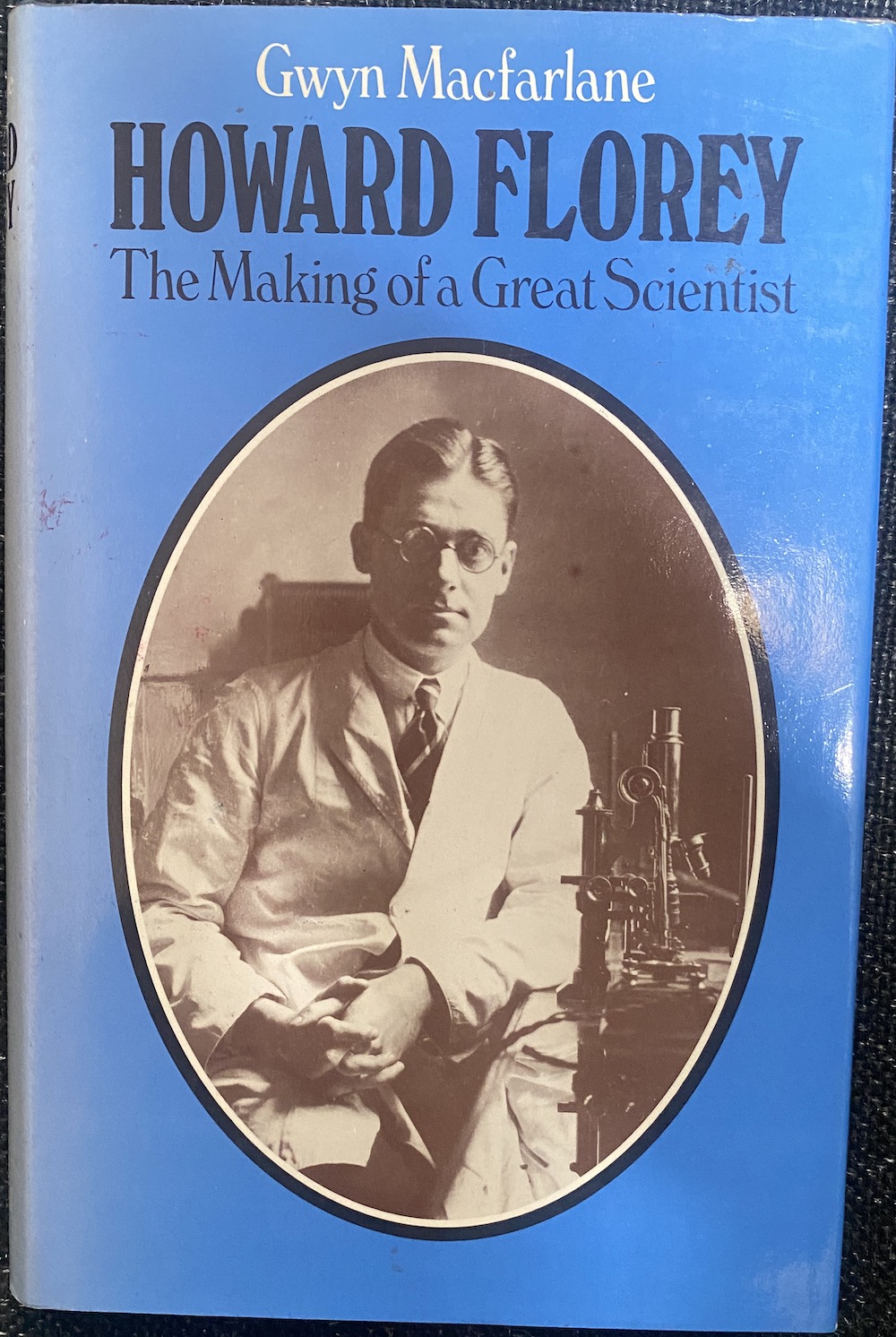
Although Howard Florey spent most of his life abroad, he was a great Australian and according to his biographer probably the most effective medical scientist since Joseph Lister.

... (read more)

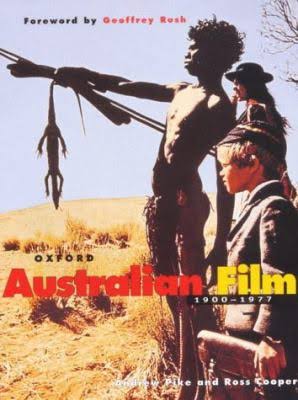
Australian Films 1900-1977 by Andrew Pike and Ross Cooper

by
March 1981, no. 28

John Baxter’s Australian Cinema was the first of a number of works on the history of film production in Australia – all, in varying degrees, superficial, selective and inaccurate, in such a new field, where to arouse interest in the subject was perhaps as important as to supply information, these early books could be forgiven for such inadequacies. But Pike and Cooper have at last taken the next step. Using material gathered over a ten- year period from many sources (archives, contemporary journals, personal reminiscences, and the films themselves), they have compiled a comprehensive encyclopaedia-style coverage of the feature films produced in Australia from 1900 to 1977.

... (read more)

Sir Paul Hasluck writes this book, so he says, as a witness, seeking no higher appreciation than Montaigne’s remark that it reflects the ‘author’s sincerity “free from vanity when speaking of himself and from partiality and envy when speaking of others” ’. However, Hasluck is not so much witness as judge, and hanging judge at that. If the book is free from envy, the absence seems due to his certainty about his own opinions and place. If there is no partiality, there is at least a tendency to make assessments of attitudes and strategies on the unstated criterion of whether they conform to Hasluckian models.

... (read more)

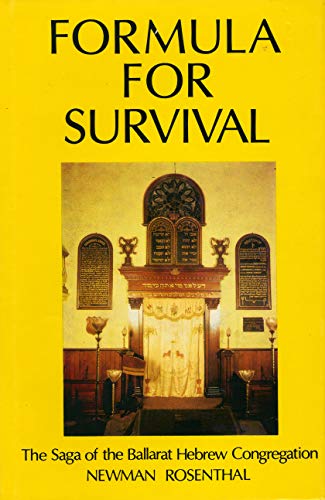
Nathan Spielvogel, a highly regarded Ballarat historian and schoolmaster, in 1928 presented the Annals of the Ballarat Hebrew Congregation to the executive committee. He told how he had discovered, in a corner of the schoolroom adjacent to the synagogue, an old iron box full of letters and papers, tied and labelled. They were dated from 1855 to 1877 and covered the first twenty-two years of Jewish communal life in Ballarat. Papers from 1878 to 1892 were destroyed great number) were prevented from remaining on the missions, where in most cases, they had spent their whole life. The Act set in motion a general breakdown in the family structures, which, for so long, had created a rich and culturally satisfying life for Aborigines on the missions. by fire at the secretary’s residence, but from then on records were preserved, unfortunately without the correspondence that made Spielvogel's annals so human and vivid. Newman Rosenthal, from these sources, has written a history of considerable importance. It increases the small literature on the history of Jewish communities in Australia and reveals that Ballarat owes a great debt of gratitude to civic minded Jews from Eastern Europe and the British Isles for their forthright support in founding institutions and building civic pride.

... (read more)

The most glorious moment in a lifetime of eating – three times a day, seven days a week, going on for forty-two years – was one night at the famed Two Faces restaurant, in trendy South Yarra. It was my first and so far only visit to that august chophouse. I was filled with trepidation and awe. Actually, I was practically quaking. The Two Faces, you understand, costs an arm and a leg, but never mind that, this was a wedding anniversary, or my wife's birthday, or some similarly daunting occasion, and I was going for broke.

... (read more)

One of the remarkable things about Melbourne is that until recently it had virtually no definable literature of its own at all. There are a few exceptions, of course. Henry Handel Richardson wrote about us, notably in The Getting of Wisdom; Henry Lawson described our appalling working conditions at the turn of the century in the Arvie Aspenall stories, and more recently Alan Marshall, Judah Waten and Frank Hardy, to name only those, have centred novels and stories in Melbourne. But I think it is fair to say that the Melbourne they wrote about would be largely unrecognizable to most of its citizens today, certainly to most of its younger citizens.

... (read more)

During his lifetime, Alan Marshall enoyed one of the finest rewards that any country can give to a writer – he knew that his writing had been taken into the hearts of the Australian people. More than four million copies of his books had been sold, and he had been translated into more than forty languages. He had received national, academic and international honours, and had given unstintingly of his time to further the interests of the handicapped and to promote peace and friendship between peoples. Yet he remained a man of the people, able to establish warm relationships with all he met, even those separated from him by the barrier of language, and proud that his stories appealed to readers from all ages and all parts of society.

... (read more)
Page 156 of 159