Accessibility Tools

  • Content scaling 100%
  • Font size 100%
  • Line height 100%
  • Letter spacing 100%

Fiction

‘Even when there’s simultaneity,’ as one of Michael Wilding’s characters says, there’s still linearity that needs to be found, and linearity is difficult to find in this group of books. So, it is better, as Wilding’s book also suggests, to let the books perform and then see the pattern they make. Pacific Highway, in fact, is a kind of haiku novel, which coheres into a single expressive emblem, the emblem of the dance its narrator offers us at the end.

... (read more)

Children’s Book Week is traditionally a time to take an overall view of the last year’s output of children’s books. Such an overall view is necessarily superficial but it can be interesting to note the appearance of new authors and illustrators, new themes, or different treatment of old themes. This article will look at the picture books and fiction of the last twelve months.

... (read more)

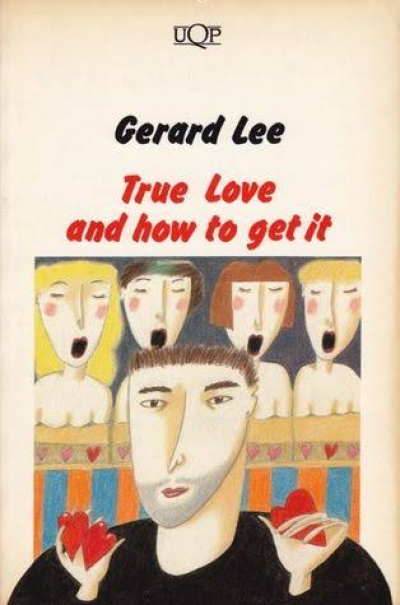
True Love and How to Get It by Gerard Lee & Bliss by Peter Carey
by
June 1982, no. 41

Peter Carey’s first novel, Bliss, will be self-recommending to all admirers of his astonishing short stories. The Fat Man in History and the even better War Crimes mark Carey as the most genuinely original of our storytellers – a fabulist and, in some corners of his imagination, a surrealist of disturbing power. Part of his achievement and, arguably, a sign of his freshness of vision is that his fictions manage so adroitly to slip through the critic’s webs of explication. They tend to resist any simple yielding up of their inner meaning at the same time as they touch the nerves of our general experience and social fears. The central figures of his narratives are typically trapped in the labyrinths of their obsessions or delusions, they are solitaries, often, like the fat men in the title story, both victims and perpetrators of their condition.

... (read more)

This novel raises more interesting questions about its author than about its characters and action.

... (read more)

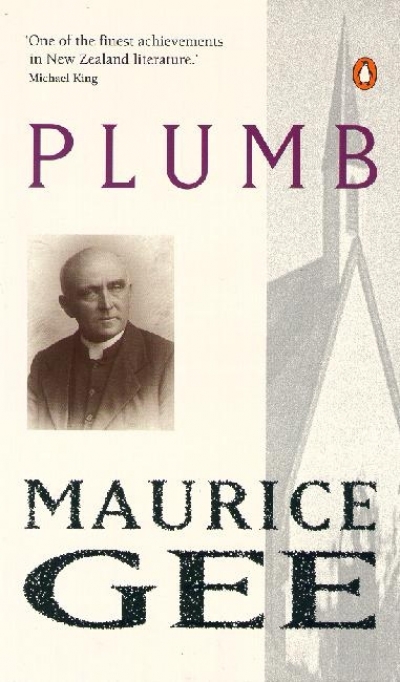
Plumb by Maurice Gee & Approaches by Garry Disher

by
May 1982, no. 40

In a way, two words suffice for Plumb. Read it. It would be fair to add, ‘Make yourself read it.’ The inexorable, old man’s voice of its narrator George Plumb may irritate you, but before long you will respect his unrelenting and unsparing honesty with himself and his memories, and you will realise that everything he says has its place in this splendidly fashioned novel. At the end, he writes: ‘I thought, I’m ready to die, or live, or understand, or love, or whatever it is. I’m glad of the good I’ve done, and sorry about the bad.’

... (read more)

I’ve always had a terror of one day having to explain a joke. And now it’s happened. Moonlite is one of the jokiest books since Such Is Life which in its turn reminds us of the even jokier Tristram Shandy and behind that no less than Rabelais himself. The best way to talk about Moonlite, then, is perhaps to say that it is bouncing, bewildering, wilful and – very occasionally – boring, just as these books are.

... (read more)

There nine stories in this volume are rich in people, satire, compassion, and humour. And set like ambushes, unexpected and surprising, are several cameos. It is a captivating, ensnaring book, but to call it a book of short stories would be so inadequate as to be misleading. There is an uncommon coherence, slender but powerful enough to raise it above that easy classification.

... (read more)

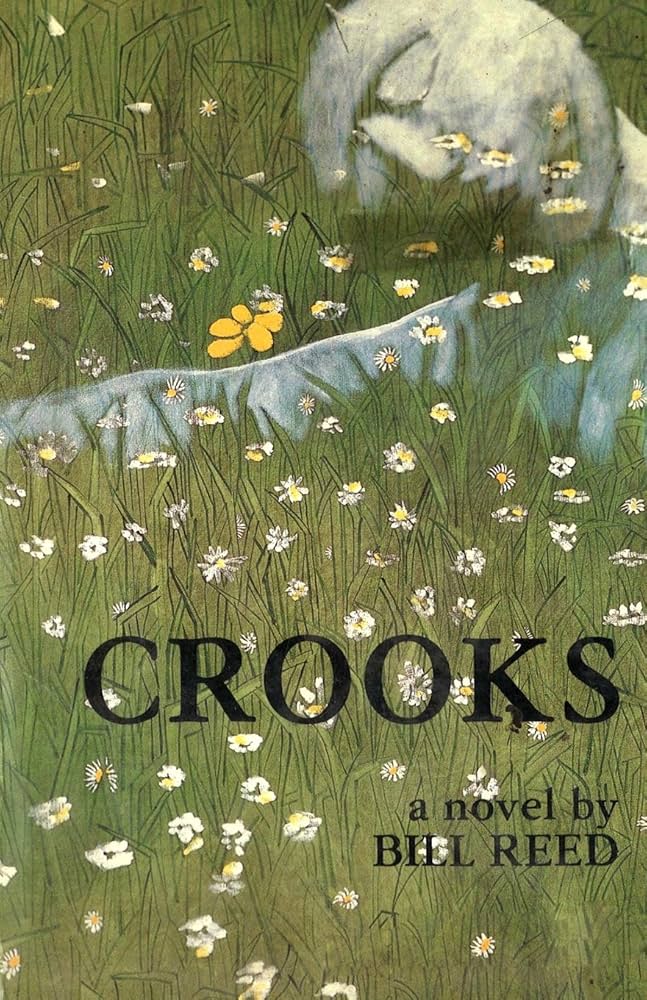
‘What do you reckon this is? Some kind of joke’ This final ironic cadence to Bill Reed’s sixth novel, with its upbeat question asked of death and the literary establishment, is never resolved; that isn’t Reed’s way. In a grand guignol of a novel, ostensibly about the repercussions of publishing an expose of crime bosses in New South Wales (which Reed actually did as the publisher of Australian books for Macmillan), he sets out to linguistically conceal the agony of caring for an elusive humanity he finds alien and macabre.

... (read more)

For those who wish or need to know what the Great Conciliator has been saying, it’s all here. Neville Wran, in an introduction, claims that the set speech is still important in politics. Perhaps so, but the level of platitude and generalisation in these, as in most, political speeches raises doubts. In speeches ranging from the 1983 policy speech, through speeches on the Franklin Dam Australia’s place in the world, youth employment – he’s for it – immigration and multiculturalism, arms control and disarmament – he’s for them also – to the 1984 National ALP conference, the content is high on self-congratulation, facts and figures, low on argument. The question must be raised – is this lack the fault of the reporting which mediates our politics, concentrating on personalities, on the phrase wrenched out of context and on the policy misrepresented by extremes?

... (read more)
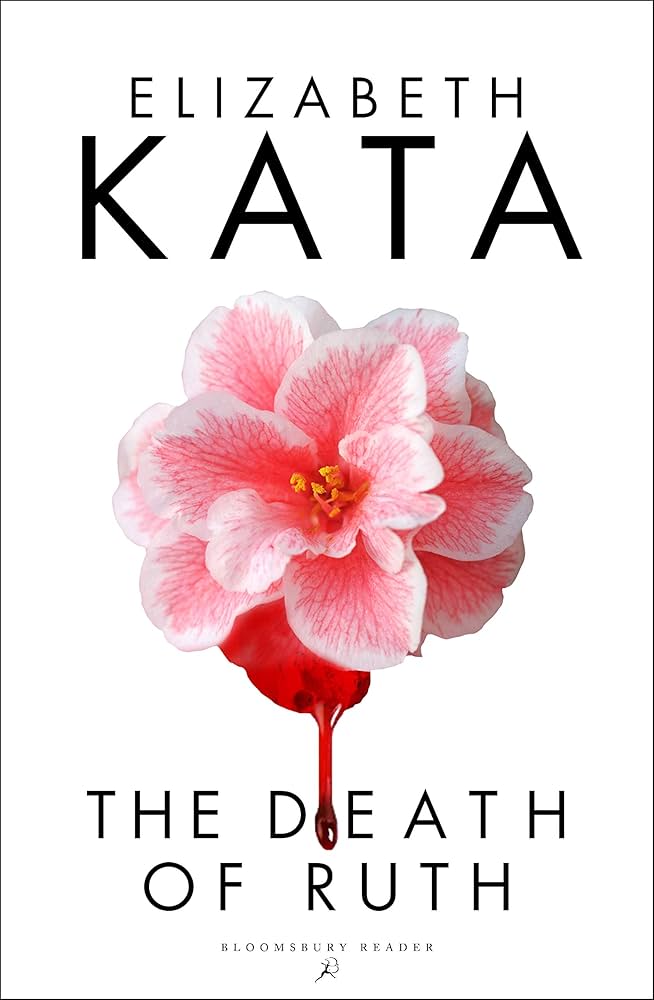
Her previous work, A Patch of Blue, became a Hollywood film with Sidney Poitier, and another, Child of the Holocaust, was recently serialized by the ABC. Neither was short on social awareness, which makes her latest novel all the more inexplicable. All the characters of The Death of Ruth are stereotypical. The twists and nuances come in the plot, not in the characterization.

... (read more)
Page 213 of 217