Accessibility Tools

  • Content scaling 100%
  • Font size 100%
  • Line height 100%
  • Letter spacing 100%

Fiction

Reading Michele Nayman’s collection of short stories is like a dip into the bitter/sweet river of life. People try for the unattainable and discover they are ordinary after all – the moments of sharing and understanding fade in the light of day and leave the protagonists even more alone.

... (read more)

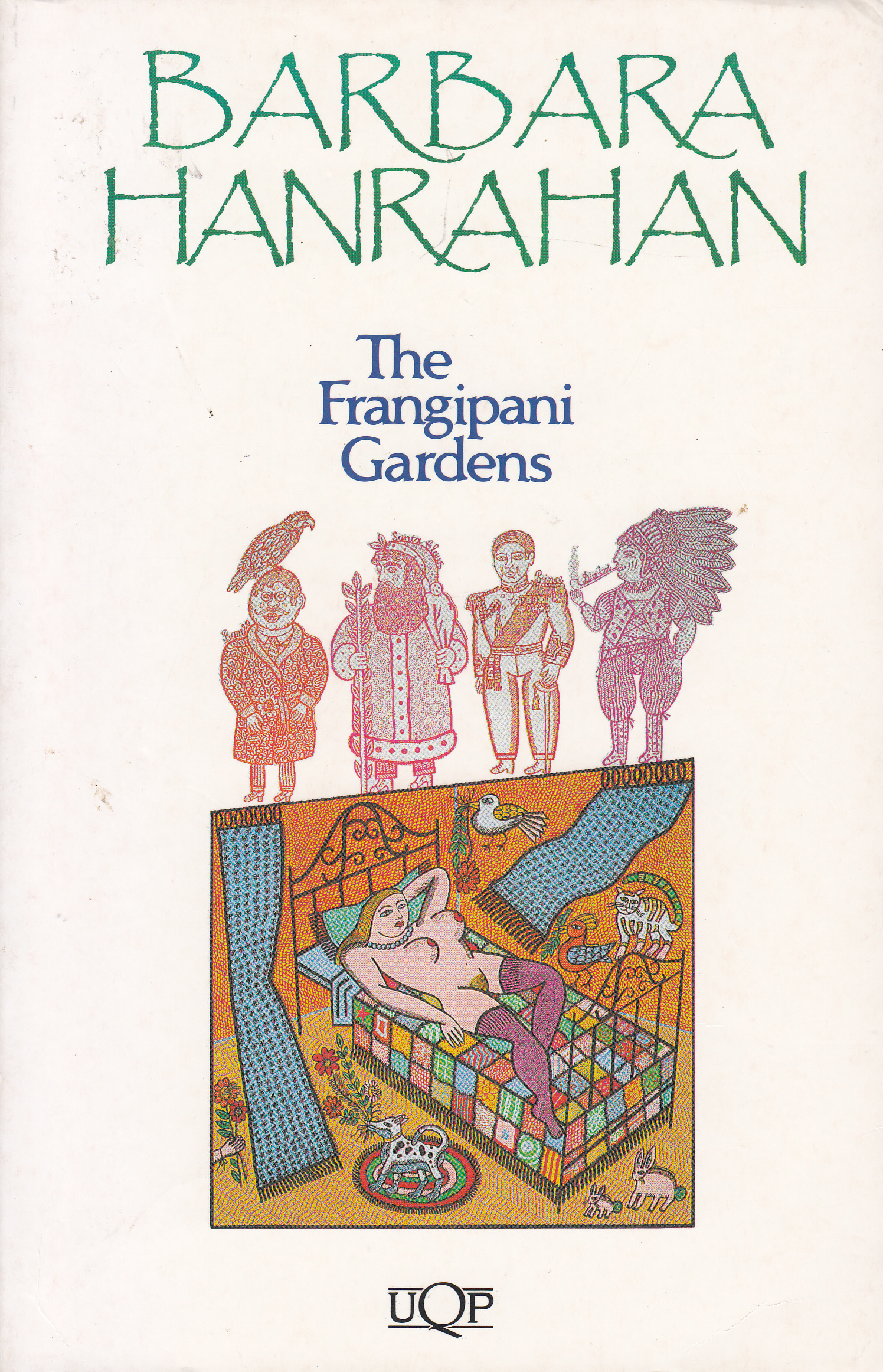
Barbara Hanrahan is arguably the best woman writer to have emerged in Australia in the last decade, and that automatically puts her streaks ahead of most of her male colleagues. The Frangipani Gardens is her sixth novel and with the possible exception of the earlier The Albatross Muff, her best in terms of control, artistry, and characterisation, Perhaps more importantly for her growing number of admirers, Hanrahan is a masterly raconteur, handling her bizarre characters and intricate plots with ease and verve.

... (read more)

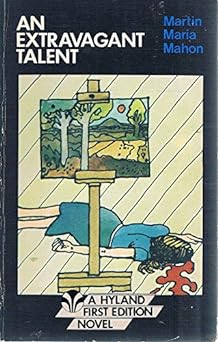
An Extravagant Talent by Martin Mahon & Stigmata by Bill Reed

by
March 1981, no. 28

The slump, it seems, has hit at last, the slump occasioned by the competition of television, films and the theatre have felt it for some time, but here it is being registered in literature. In its own way each of these three books represents an attempt to capture the popular imagination.

... (read more)

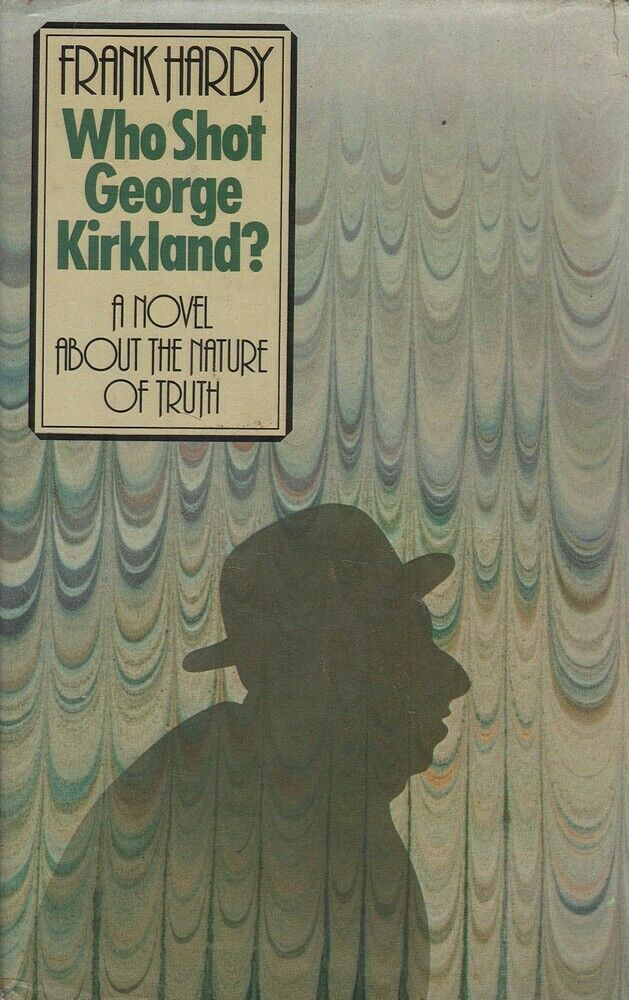
This volume is subtitled ‘A novel About The Nature of Truth’ and thus marks Frank Hardy’s continuing concern with basic concepts, the source matter of philosophical and theological debate, rather than with the social immediacies tat inspired and formed the texture of his earlier fiction. As with But the Dead are Many, his previous novel, a tour de force of considerable proportions in which Life and Death were set forth as interchangeable terms rather than irreconcilables, the present work is intricately structured in recognition of the complexity of the issues which is being debated, or, put otherwise, the evasiveness and obduracy of the daemon with which the writer-character is wrestling. There is certainly some sense in Hardy of being more than just interested in narrative formulae, modi operandi, recapitulative tactics. (Appropriately enough, since he writes of men in the grip of obsessions which gnaw at their intellectual vitals, and, as suggested, he stands on extraordinary intimate terms with them.)

... (read more)

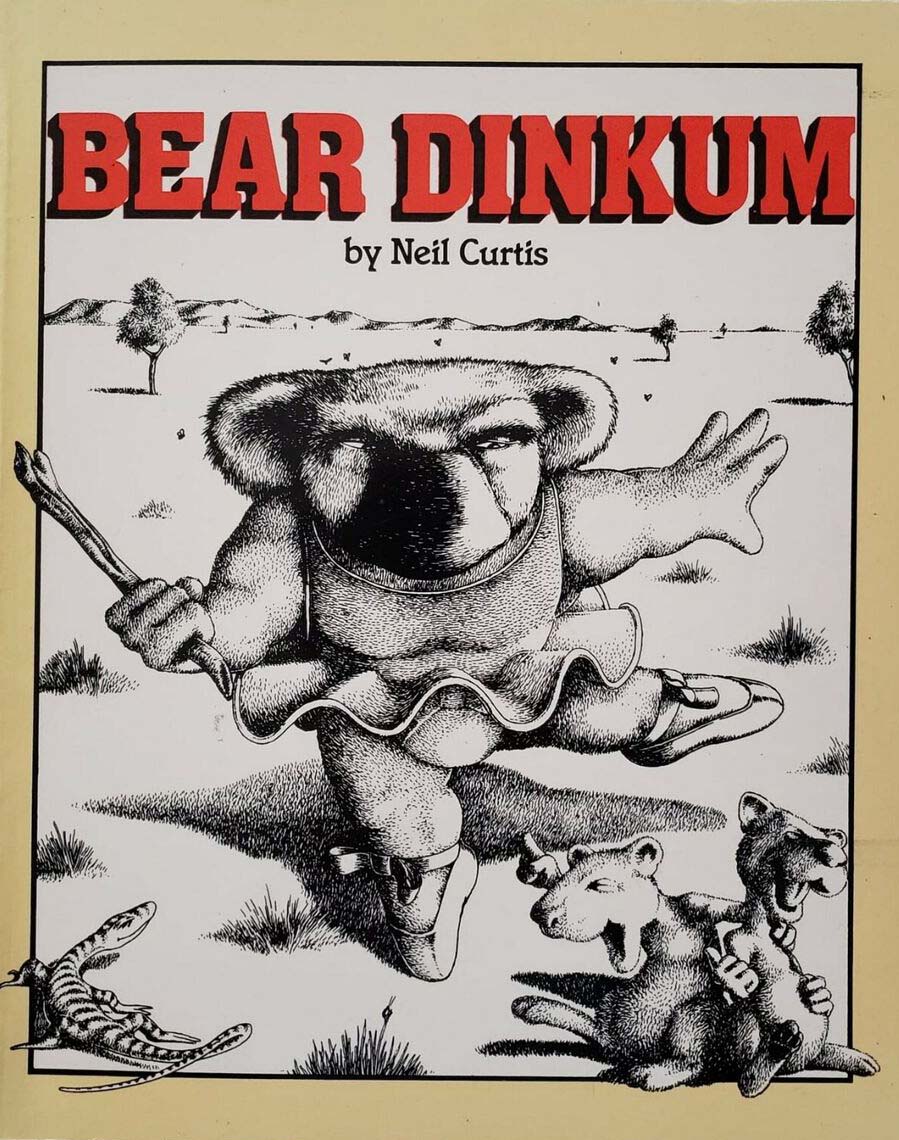
Old fashioned dinki di Australians will view this book with mixed reactions indeed. For those of us conditioned in the popular culture of May Gibbs whose Mr and Mrs Koala featured in her ‘Bib and Bub’ drawings, Dorothy Wall’s koala ‘Blinky Bill’, and of course Norman Lindsay’s delightfully comic bear ‘Bill Bluegum’, will be decidedly startled by this latest anthropomorphic koala. For ‘Bear Dinkum’ is a nasty bear, the written and illustrated creation of Neil Curtis, a Londoner from West Ham.

... (read more)

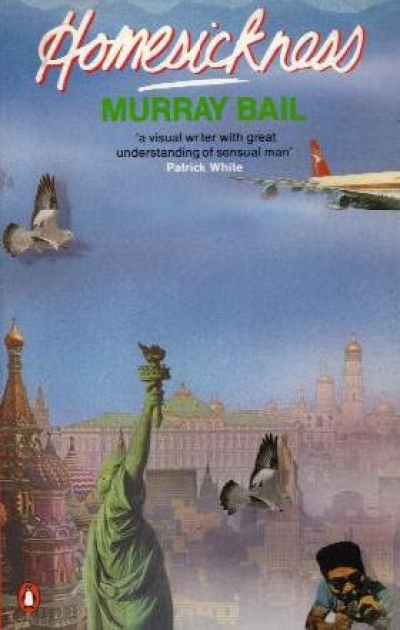
Homesickness by Murray Bail & Monkeys in the Dark by Blanche d’Alpuget

by
October 1980, no. 25

I found Murray Bail’s novel Homesickness a work of brilliant and resonant artistry, which despite many unlikely incidents, succeeds in being thoroughly credible in all its parts. It is also a desolating book, a comedy, but a very black one.

... (read more)

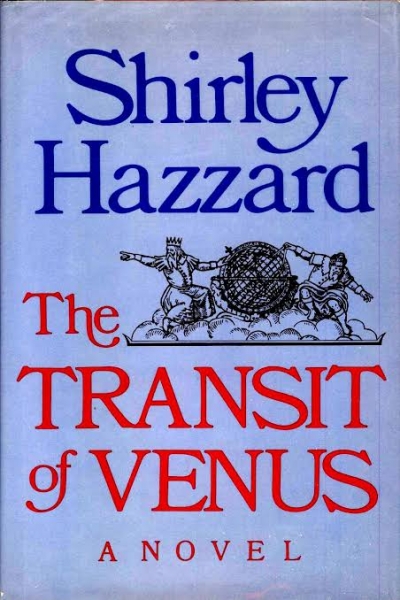
The Transit of Venus has been widely acclaimed, and justly so: it is a great novel of passion and ambition, success and failure, written with elegance and wit, and magnificently structured. Still, despite the critical superlatives, few critics have attempted to come to grips with the power of Hazzard’s writing. There have been the inevitable comparisons with Jane Austen, and some attention has been paid to the symbolic connotations of the title, but little more. The prose and structure of the novel are worth examining in some detail because, seven years in the making, it is a most crafted and sculpted work of literary art.

... (read more)

It is more than coincidence that a number of Australian writers recently have chosen to set their work in Asia. The poles between which Australian life revolves are our European origins and expectations and our Asian neighborhood, but for the past century and a half, we have been too busy defining ourselves in relation to the first that we have had no time to consider the second. It is only now, as we start to accept that we are not ersatz British, that we are prepared to look seriously at where we stand in relation to Asia.

... (read more)

Bush Week by Christopher Lee & Being Eaten Alive by Patrick Evans

by
July 1980, no. 22

Although the novel is supposed to be dead, except for the manufactured bestseller, there still seem to be publishers prepared to take a risk with books by writers who have yet to establish their reputations. The two books reviewed here are both by authors who have the ability to tell a story, to create believable characters and to invent amusing situations. They both use as their background the educational machine which within its mechanistic irrelevance still leaves room for the bizarre and the individual.

... (read more)

The difference between what is, and what seems to be is only an inch, but it’s on that inch we must live if we are not to be fooled all our lives.

... (read more)
Page 215 of 217