

Rebecca
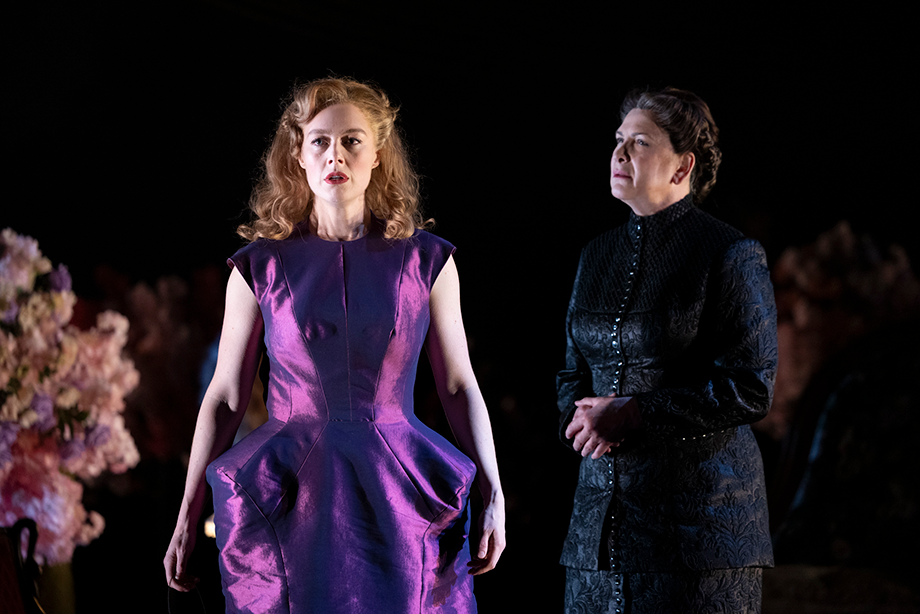
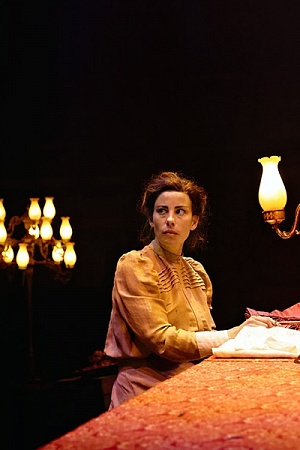
Daphne du Maurier’s novel Rebecca (1938) opens with one of the most iconic lines in literature (and, thanks to Alfred Hitchcock’s 1940 adaptation, one of the most iconic lines in cinema): ‘Last night I dreamed I went to Manderley again.’ Manderley, we learn, is the stately home of Maxim de Winter. Situated on the rugged Cornwall coast that dominates so many of du Maurier’s novels, Manderley – a character in itself – embodies the exquisite tension between wildness and constraint, terror and beauty, that defines Rebecca.
Du Maurier’s opening line is the prelude to a stark and foreboding account of this dream version of Manderley. The novel’s unnamed narrator, as she proceeds like a spirit through Manderley’s locked gates, remarks on how the Manderley of her dreams has changed from the Manderley where, once upon a time, she lived: ‘Nature had come into her own again and, little by little, in her stealthy, insidious way had encroached upon the drive with long tenacious fingers. The woods, always a menace even in the past, had triumphed in the end.’
Continue reading for only $10 per month. Subscribe and gain full access to Australian Book Review. Already a subscriber? Sign in. If you need assistance, feel free to contact us.


Leave a comment
If you are an ABR subscriber, you will need to sign in to post a comment.
If you have forgotten your sign in details, or if you receive an error message when trying to submit your comment, please email your comment (and the name of the article to which it relates) to ABR Comments. We will review your comment and, subject to approval, we will post it under your name.
Please note that all comments must be approved by ABR and comply with our Terms & Conditions.