Film
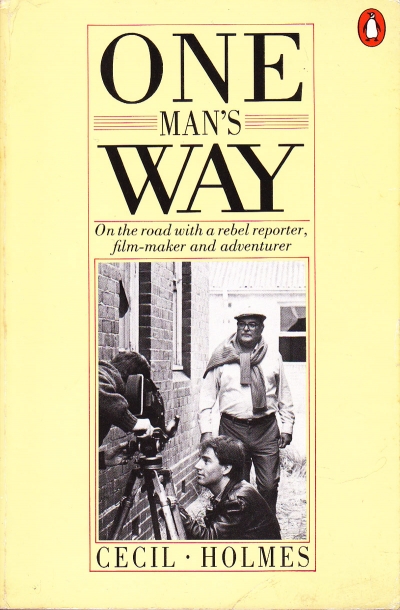
Like many students of Australian film, I became aware of Cecil Holmes’s work through the viewing of a scratched print of Three in One in a lecture hall in one of our tertiary institutions, many years after it had failed to gain general release within Australia and killed off the dream of an indigenous film industry, yet again. A brave and naïve film, it was clearly well-made, stylish, and addressed a local audience without condescension or parochialism. Three in One was an early hint of what an Australian cinema might look like, and is now held to be one of the landmarks in the history of Australian film. To those who see the film now, though, its maker must seem to have suffered the same fate as its optimistically named production company, New Dawn Films. There is some satisfaction, then, in reading One Man’s Way to see what did happen to a substantial talent squandered by an insecure and conservative Australian film industry.
... (read more)How Picnic at Hanging Rock not only touched American sentimentality but revealed as well the surprising news that Australians made movies is all history now. As is the short-lived, yet astounding success of The Thorn Birds, that renowned caterer to the American appetite for sex, violence and instant morality. Yet those who comment on the inroads Australian literature, the novel in particular, has made in the United States point always to that nostalgic film and encyclopaedic novel as the start of what one New York editor recently called "an explosion of American interest in Australian literature".
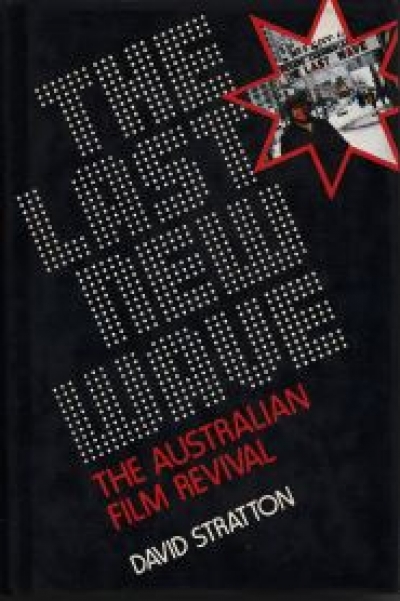
... (read more)The Last New Wave: The Australian film revival by David Stratton
The end of the decade seems an appropriate time for a re-assessment of the revival of Australian cinema, since the beginning of the seventies can be taken as the time when it struggled towards life. Somewhere between the two Burstall films, Two Thousand Weeks (1968) and Alvin Purple (1973), there took place the various stirrings of conscience, consciousness, initiative, and enterprise that led to something over one hundred and fifty films in the next ten years. David Stratton’s book lists one-hundred-and-twenty-eight films, although different listings have discovered more, and he is also at pains to pay appropriate tribute to the pioneering efforts of Burstall.
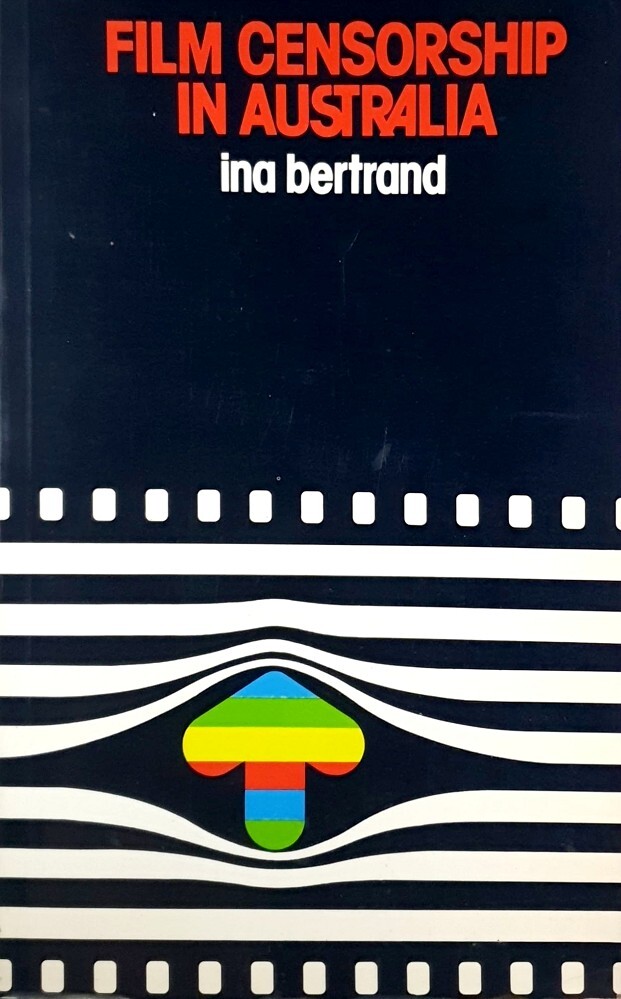
... (read more)It is difficult to decide whether this wellresearched book is an important addition to the media history of Australia, or whether it deserves a place among the chronicles of the country’s moral development, or even as another testament to the differences and divisions that are created by federal systems of governance. Ina Bertrand has diligently collected all the details of lust, licence and legislation that have beset the entertainment industry over the past century and a half. She painstakingly leads the reader through the reasons and ramifications behind the Acts of State and Commonwealth Parliaments (starting with the first Public Entertainment Act in New South Wales in 1828) by which successive attempts have been made to regulate how and what the Australian public were allowed to see.
... (read more)