Fiction
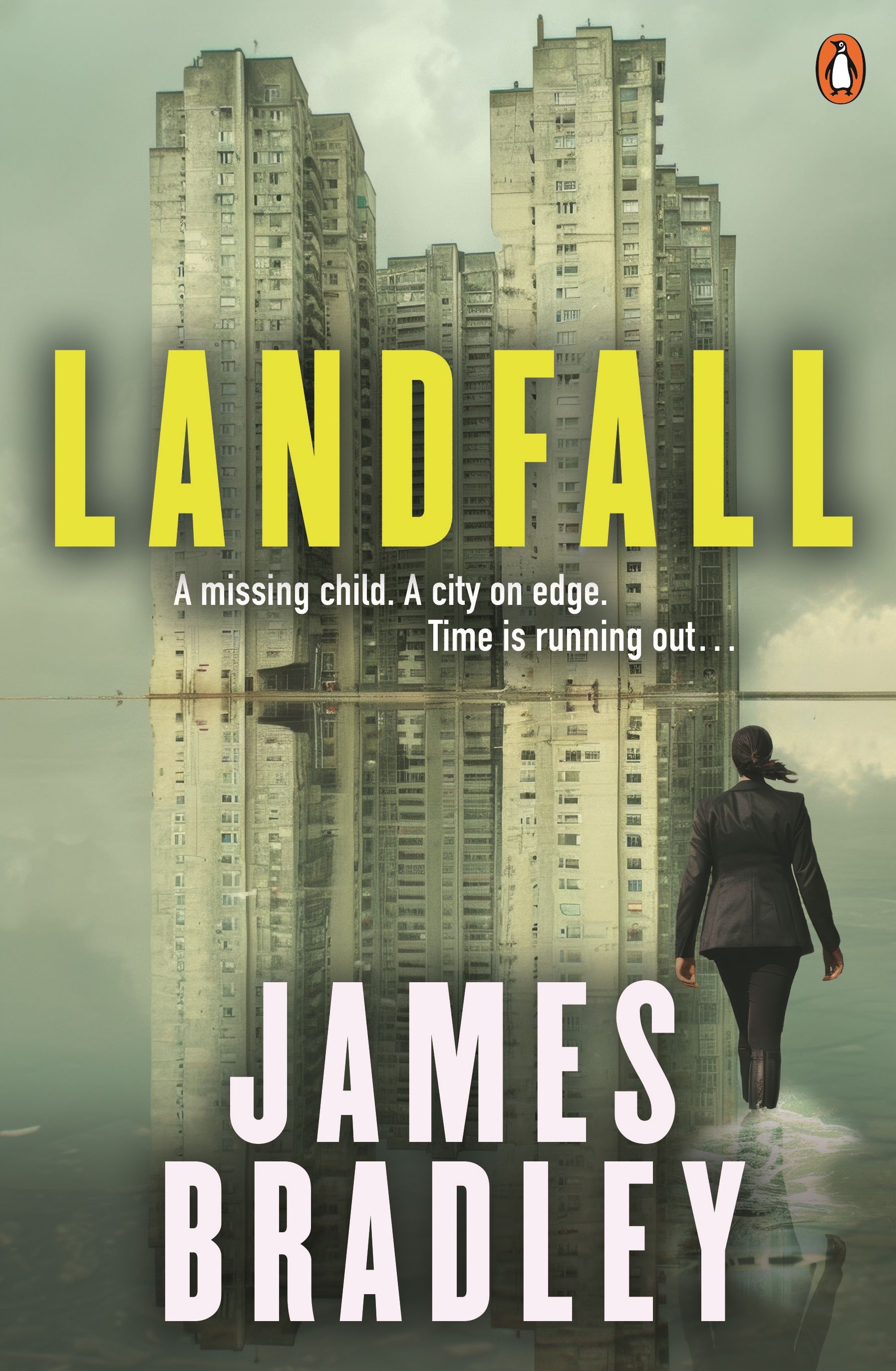
Defined meteorologically, landfall refers to a storm which strikes land after forming over water. By another definition, it is the first sight of a traveller who, like the aforementioned storm, has spent too long at sea. Both are destination and terminus, so it is unsurprising that the writer who edited The Penguin Book of the Ocean (2010) would pen a novel obsessed with water, and with people crossing it, sheltering from it, or simply trying to stay afloat. The inhabitants of Landfall are already deluged, and another storm is on the way. Beginning on a Monday morning and with a tropical cyclone due by week’s end, time in the novel is running short from the very start.
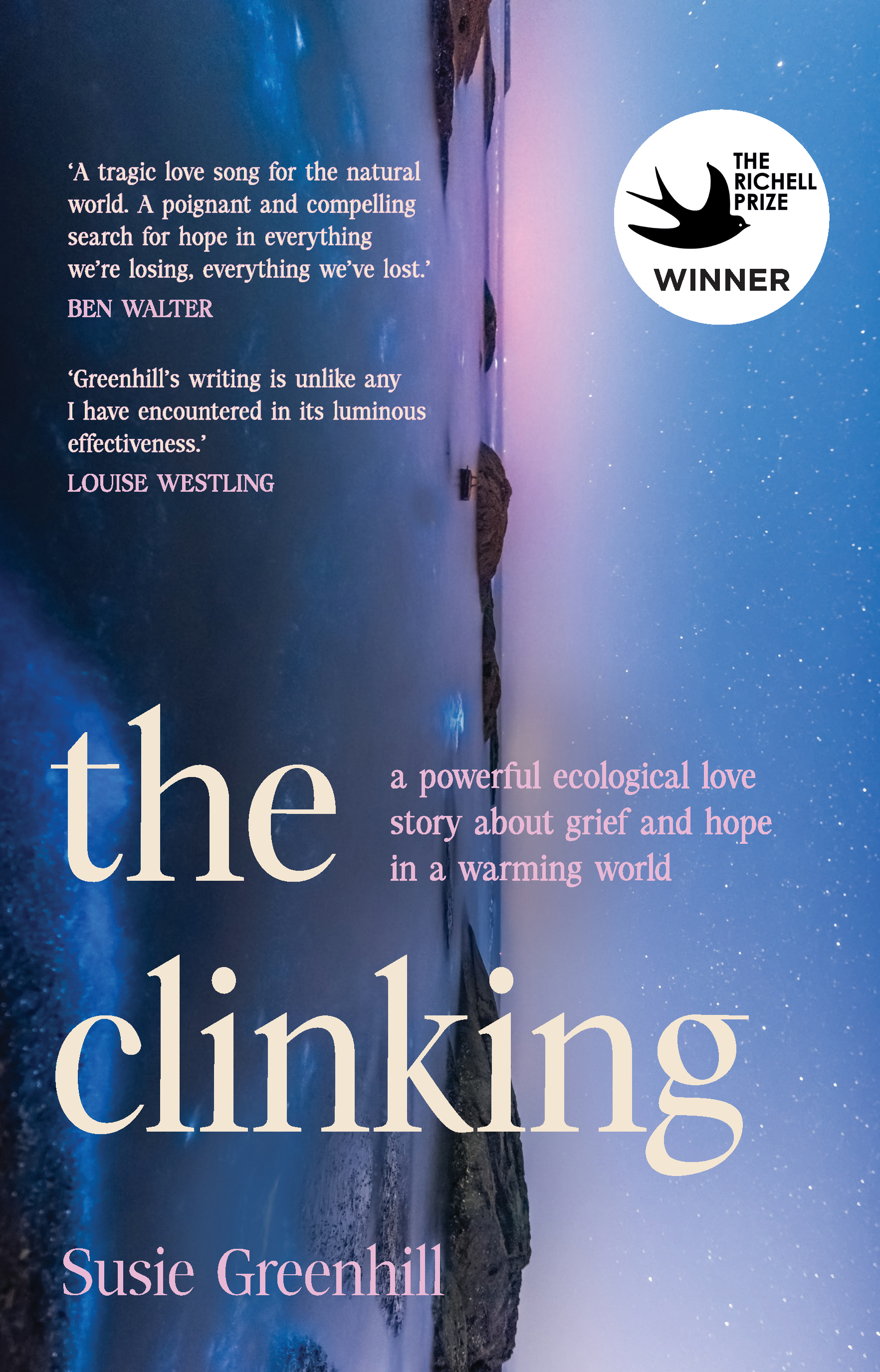
... (read more)Rising seas, mega fires, drought, melting glaciers, and animal extinctions are not exactly the stuff of fiction in 2025. But these themes are also precisely the domain of fiction that speaks of the climate at this moment in the planet’s history, as Susie Greenhill’s début novel, The Clinking, demonstrates with its tender yet insistent call for us to pay attention to this fragile world.
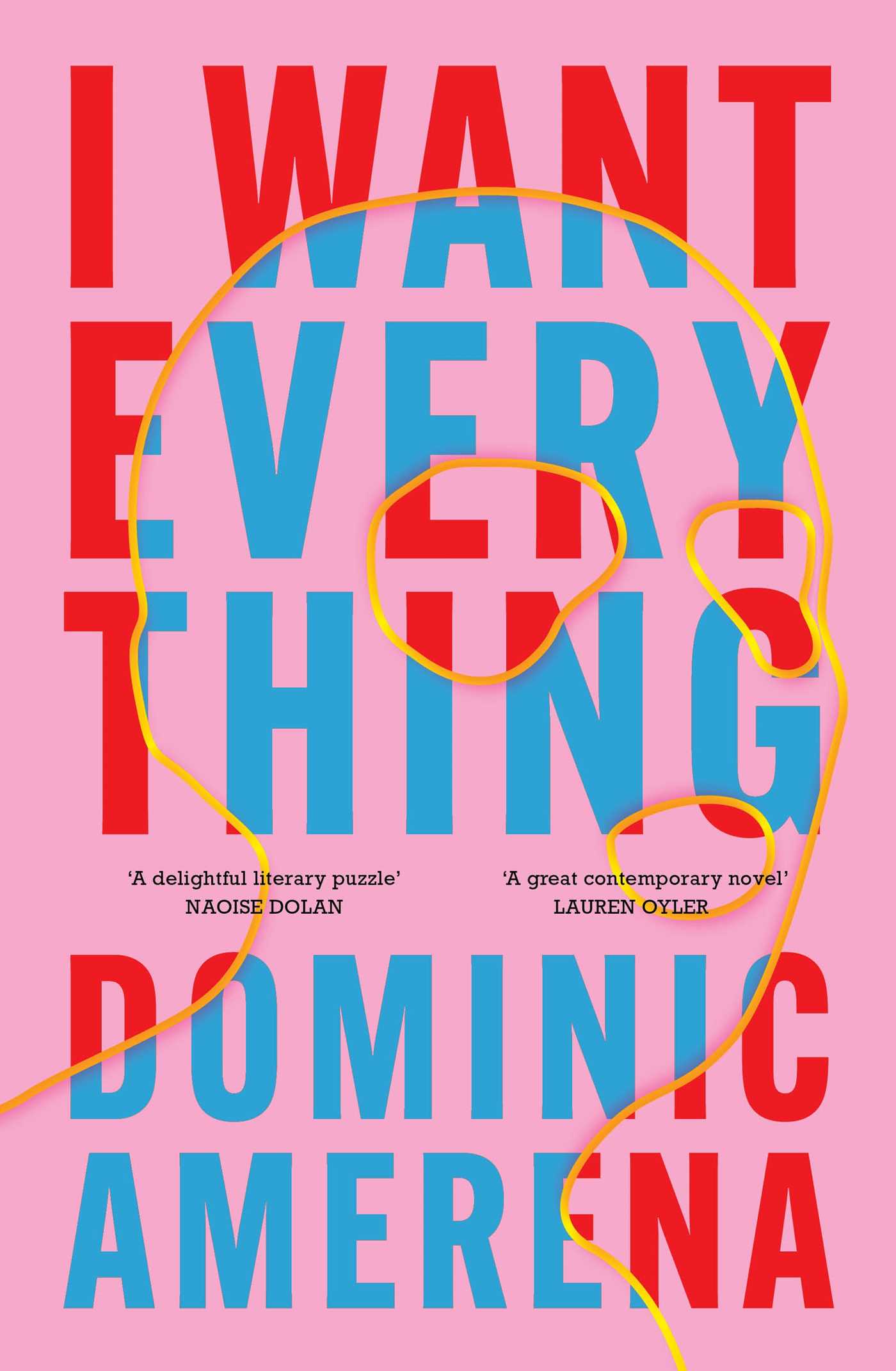
... (read more)Lying and half-truths. Raging ambition. In the lead-up to another Australian federal election, these traits too often define our political class. But they are also germane to I Want Everything – no, not the autobiography of Elon Musk, but an entertaining début novel from Dominic Amerena, which also happens to be the first title under a new Simon & Schuster imprint, Summit Books Australia.
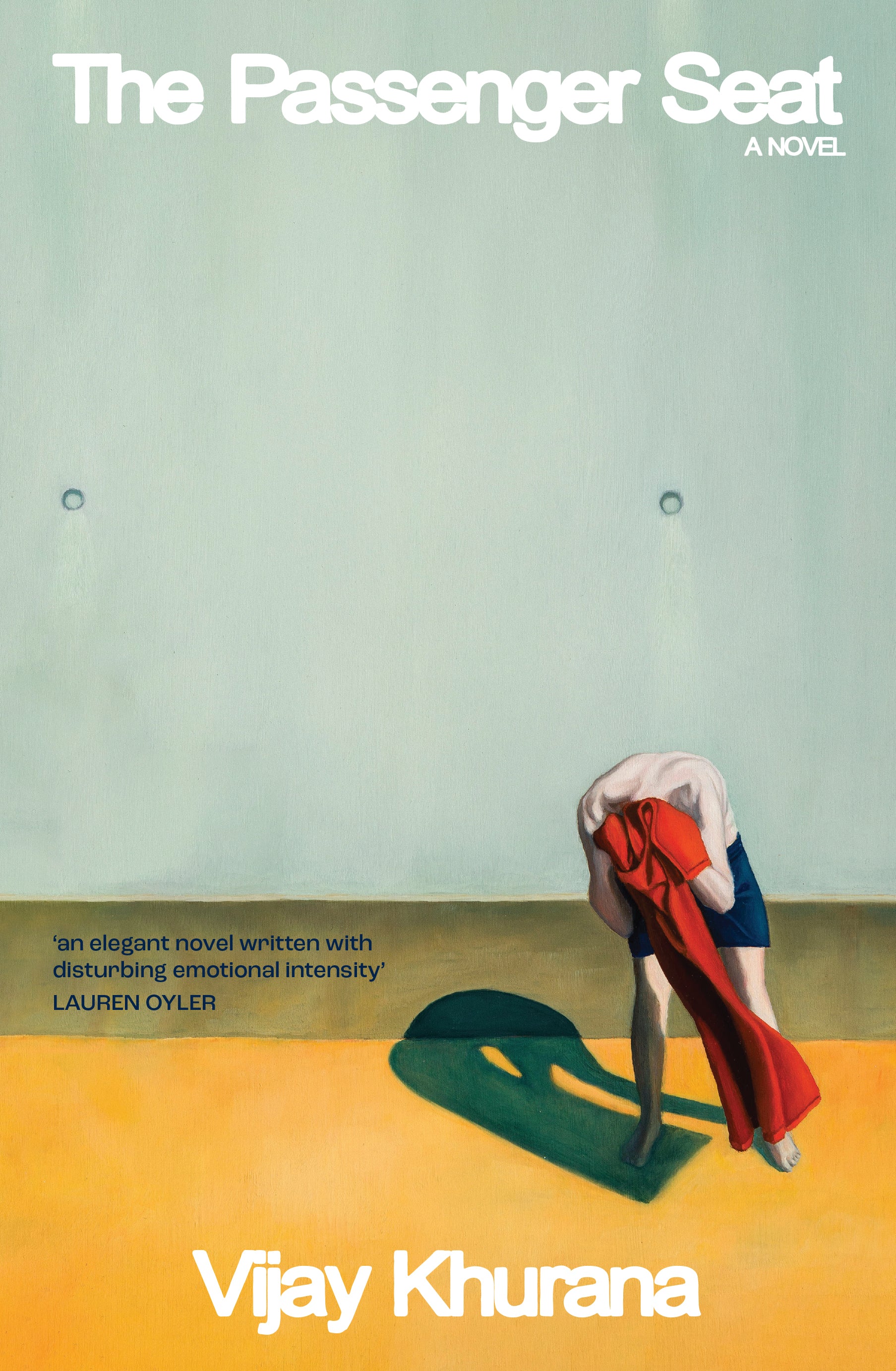
... (read more)Adam lives with his father. Teddy lives with his parents and a sister. Both are children of broken or fragile relationships, about to enter their senior year of high school. Adam’s father appears to have ‘given up’ on life; he has stopped drinking and succumbed to ‘mute anger’. Adam hasn’t seen his mother in six years, since she left the family, and Teddy resents his mother’s extramarital affair. In both cases, the family home is a source of gloomy unease, with fathers who are incapable of dealing with the realities of their lives.
... (read more)‘Here’s what I think: there are neither major nor minor tragedies’, writes the Bosnian poet Semezdin Mehmedinovic. ‘Tragedies exist. Some can be described. There are others for which every heart is too small.’
... (read more)While reading this book, I saw an ABC TV Foreign Correspondent program on volunteer health workers in Ukraine tackling frontline fighters’ horrific injuries. I was moved by the stoic optimism of the soldiers, the dedication and compassion of the doctors and nurses, one of them wearing a brave slash of lipstick.
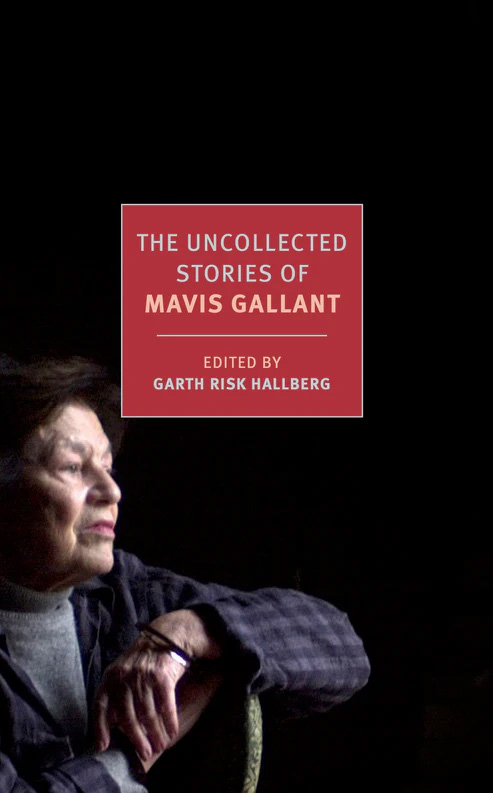
... (read more)The Uncollected Stories of Mavis Gallant by Mavis Gallant and edited by Garth Risk Hallberg
It always surprises me when I encounter someone so well read that they seem to have every obscure literary reference to hand and yet the late Canadian writer Mavis Gallant has managed entirely to escape not just their attention but their knowledge. ‘Who?’ they will ask. ‘How do you spell that?’ Offer them titles of collections and stories and their perplexity only deepens. The Uncollected Stories of Mavis Gallant, edited by American novelist Garth Risk Hallberg and published by New York Review Books, both tries to explain that underappreciation and to ensure that every serious reader knows precisely why one might wish to spend time in Gallant’s idiosyncratic and determinedly realist house of fiction.
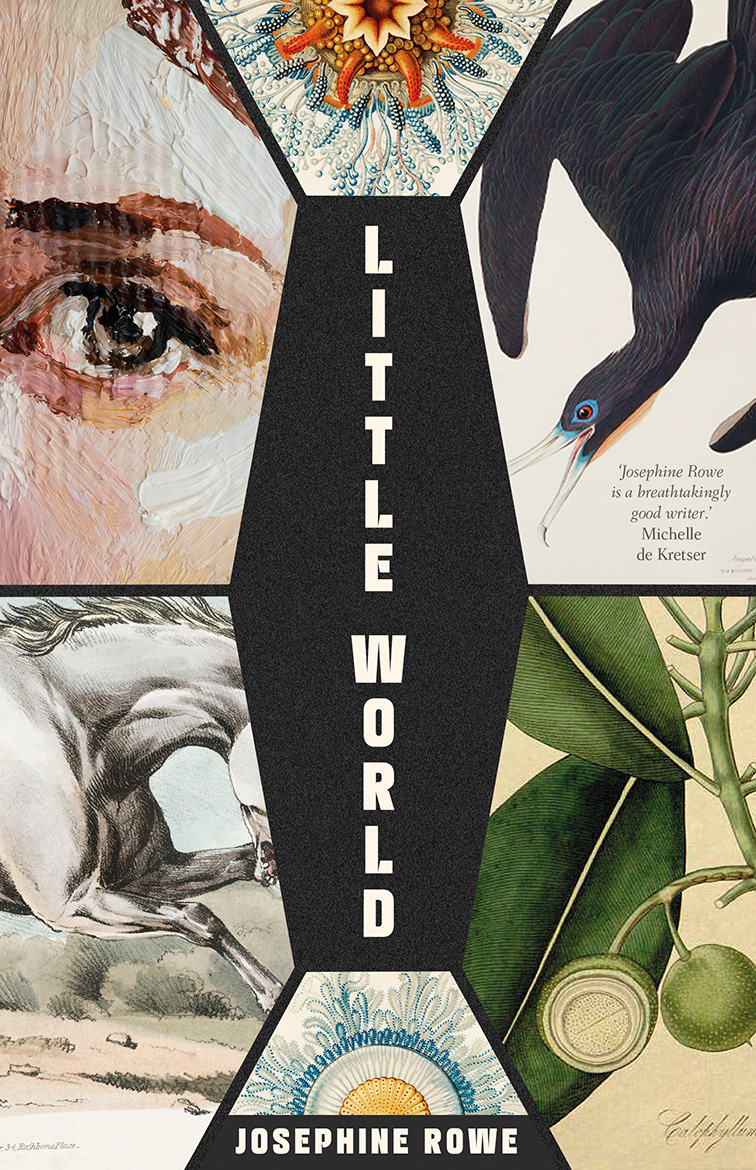
... (read more)Josephine Rowe’s third novel, Little World, is a little novel, at least in terms of its length, which resembles that of a novella. Little World is also about a little person, specifically a child, or rather, the preserved corpse of a child, said to be a saint. There is nothing small, though, about the novel’s impact, which is grandly and enduringly enigmatic.
... (read more)Would-be novelists used to be told that they should write about what they knew. That’s why, over the years, countless volumes have appeared that were at the very least semi-autobiographical.
... (read more)
On 22 January 1840, the Mettray Penal Colony officially opened. Mettray was a French prison farm for juvenile criminals that was imitated by other incarceration programs throughout Europe as a disciplinary model. For Michel Foucault, in Discipline and Punish (1975), its creation was a turning point in human power relations, as its structure reconfigured punishment as discipline and surveillance; it transformed society into a carceral culture. As Foucault claims, power and knowledge are one and the same.