
Orpheus & Eurydice
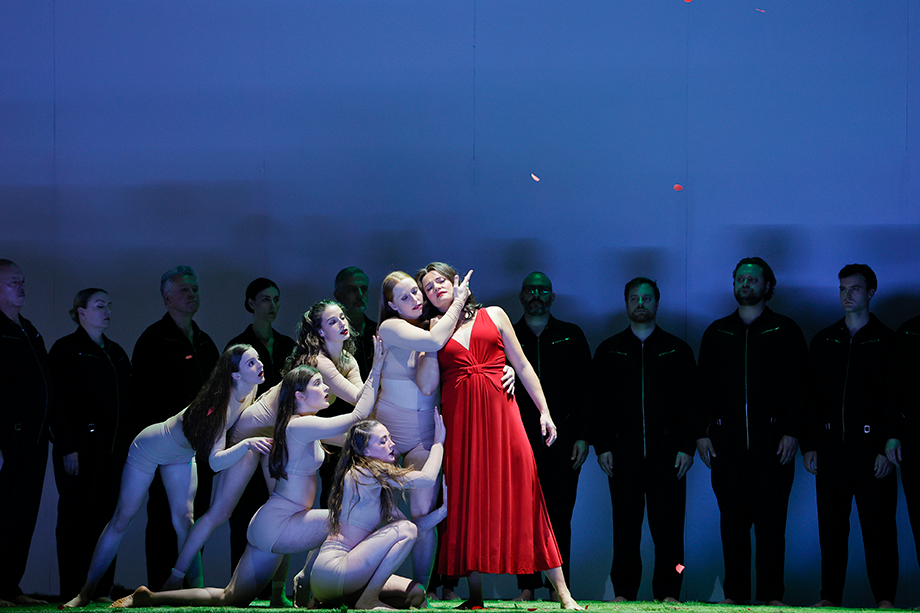
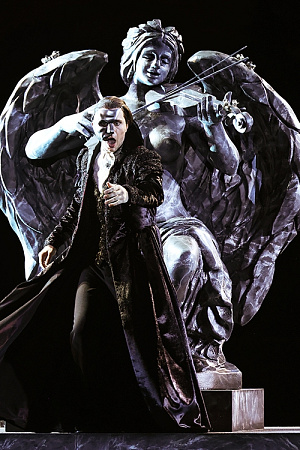
German baroque composer Christoph Gluck’s Orpheus & Eurydice presents several challenges for the contemporary opera director. There are only three characters, for a start. When the story opens, Orpheus/Orfeo (Iestyn Davies) has already lost his bride, Eurydice (Samantha Clarke), to a snake bite on their wedding day. She has been taken to the Underworld, to a paradise within hell. His mourning encompasses the opera’s opening half hour, before he is alerted by the figure of Amore (also played by Clarke in a key doubling) that he may have a chance to reclaim his love.
Anyone who has even the vaguest familiarity with the myth will know the offer is a poisoned chalice. Orfeo must descend into hell to rescue Eurydice, but he won’t be able to explain himself to her, nor look at her as they make their way out again. Is the world’s most ardent lover expected to remain aloof right at the moment of reunion? It is clearly not going to work out well. In fact, it’s designed not to.
Continue reading for only $10 per month. Subscribe and gain full access to Australian Book Review. Already a subscriber? Sign in. If you need assistance, feel free to contact us.



Leave a comment
If you are an ABR subscriber, you will need to sign in to post a comment.
If you have forgotten your sign in details, or if you receive an error message when trying to submit your comment, please email your comment (and the name of the article to which it relates) to ABR Comments. We will review your comment and, subject to approval, we will post it under your name.
Please note that all comments must be approved by ABR and comply with our Terms & Conditions.