
ABR receives a commission on items purchased through this link. All ABR reviews are fully independent.
Unfolding empathy
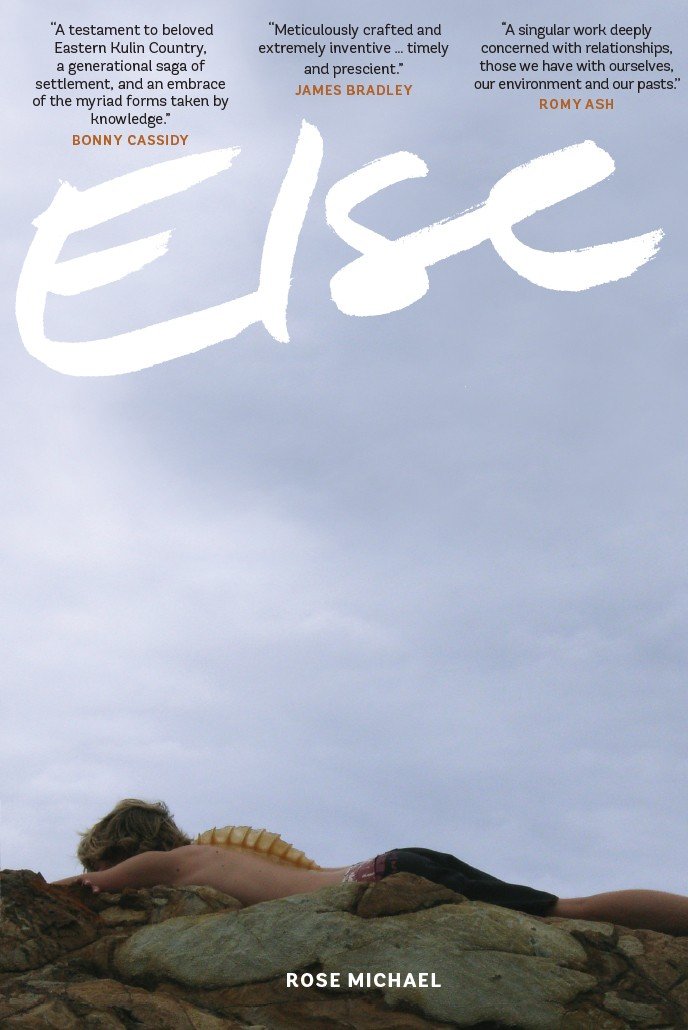
Else is not your average climate change novel; it is too rich and strange and visionary. Civilisation is collapsing, though we see very little of that. We follow the exodus of a woman and her teenage daughter from Melbourne to a future Mornington Peninsula over several seasons, across a territory alternately submerged in floods and blasted by fire.
Leisl, the mother, and Else, the daughter, are ‘different’. Neither of them has fitted into urban life. They are at home in a natural landscape that is devoid of humans and constantly changing. They are inside ‘a Christmas ornament, Else and Leisl. Everything: tinted with possibility.’
Leisl communicates with Else by telling her intriguing facts about spiders, beetles, jellyfish, and other denizens of the natural world. She still loves science; she has just given up expecting answers from scientists. Else explores the natural world for herself, scaling heights and diving deep underwater, and draws wild, exuberant pictures.
Continue reading for only $10 per month. Subscribe and gain full access to Australian Book Review. Already a subscriber? Sign in. If you need assistance, feel free to contact us.

ABR receives a commission on items purchased through this link. All ABR reviews are fully independent.
Leave a comment
If you are an ABR subscriber, you will need to sign in to post a comment.
If you have forgotten your sign in details, or if you receive an error message when trying to submit your comment, please email your comment (and the name of the article to which it relates) to ABR Comments. We will review your comment and, subject to approval, we will post it under your name.
Please note that all comments must be approved by ABR and comply with our Terms & Conditions.