

The True History of the Life and Death of King Lear and his Three Daughters

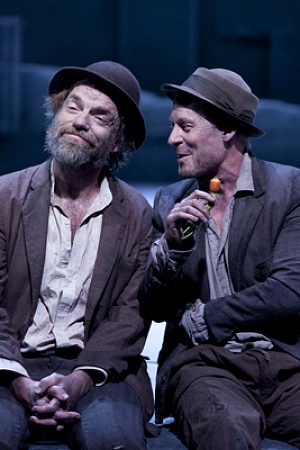
On the wooden floorboards of a bare and slightly raised stage, a king draws a chalk circle: perfect, empty, unbroken. Behind him, twelve empty seats wait and watch. Before him, the audience.
The empty circle is Lear’s kingdom, but it is also a diagram of a disastrous decision to carve up his family alongside his lands and wealth. The circle haunts the play: it remains fixed and outlined in the centre for the duration as lands are fought on and over, loyalties are twisted and tested, and that king rages back against a howling storm.
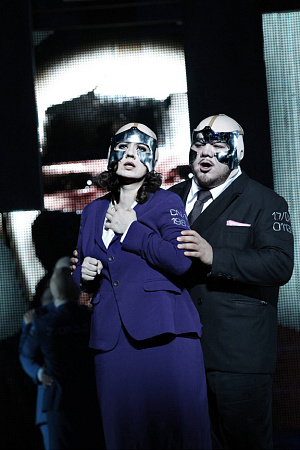
This is Belvoir St Theatre’s King Lear, or The True History of the Life and Death of King Lear and his Three Daughters, director Eamon Flack’s tackling of the tragedy. This name is a nod to the play that inspired Shakespeare’s own take on the troubled king, and to the tradition of which Flack is here a part: re-adapting, configuring, and shaping an old story for new audiences and their times.
Continue reading for only $10 per month. Subscribe and gain full access to Australian Book Review. Already a subscriber? Sign in. If you need assistance, feel free to contact us.


Leave a comment
If you are an ABR subscriber, you will need to sign in to post a comment.
If you have forgotten your sign in details, or if you receive an error message when trying to submit your comment, please email your comment (and the name of the article to which it relates) to ABR Comments. We will review your comment and, subject to approval, we will post it under your name.
Please note that all comments must be approved by ABR and comply with our Terms & Conditions.