
Essays
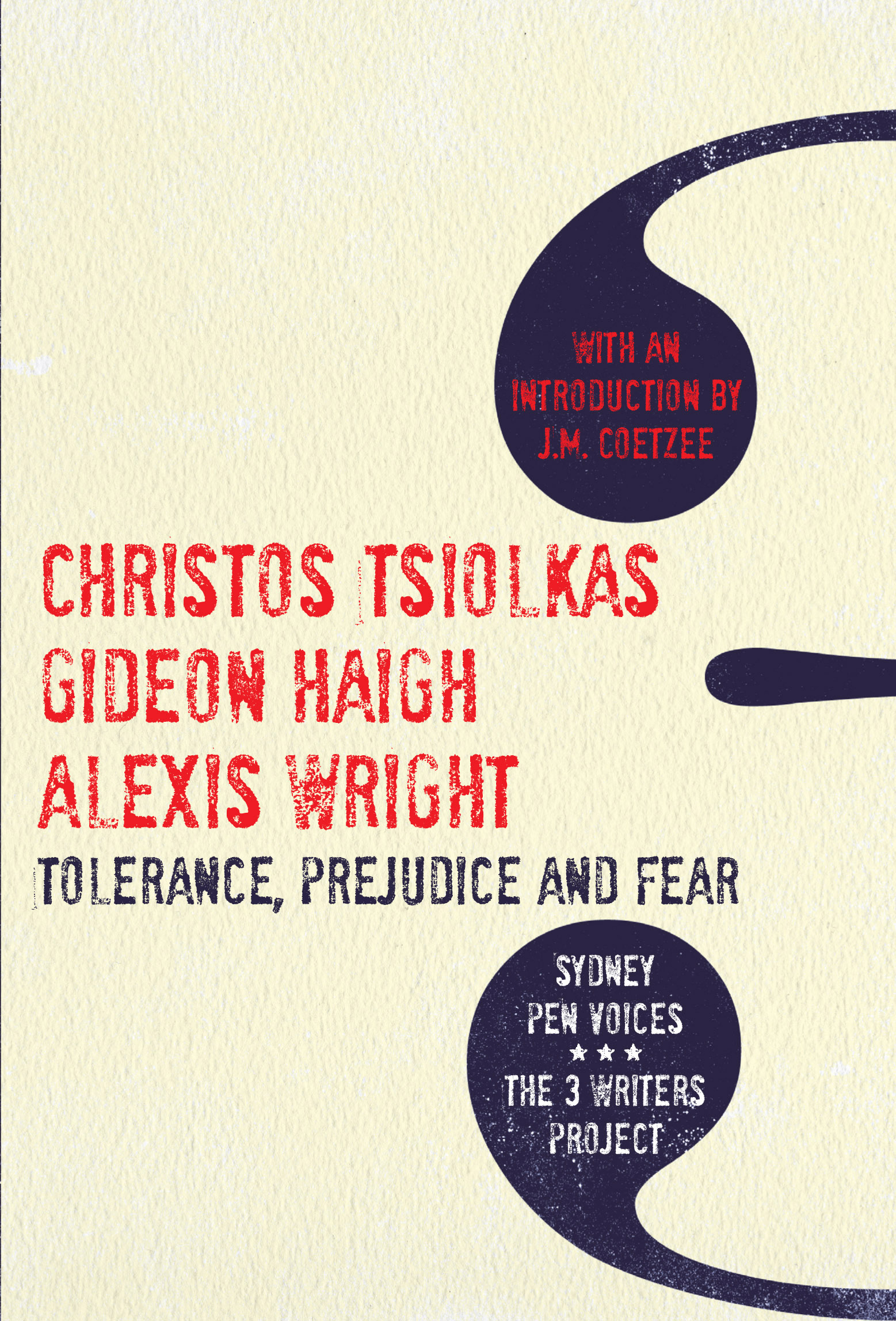
Tolerance, Prejudice and Fear by Christos Tsiolkas, Gideon Haigh and Alexis Wright
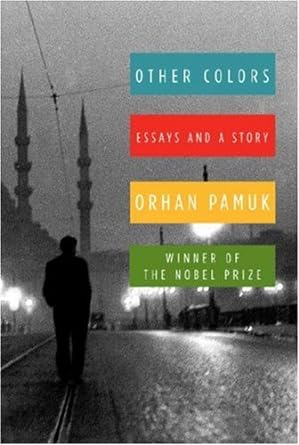
Other Colours: Essays and a Story by Orhan Pamuk (trans. By Maureen Freely)
I have often admired the mystical way of Pythagoras, and the secret magic of numbers.
Sir Thomas Browne, Religio Medici
The real world is not given to us, but put to us by way of a riddle.
Albert Einstein
In the kitchen of my mother’s houses there has always been a wooden stand with a ...
During a lull in the fiercest weather event the south-east of the continent has seen in thirty years – we call them ‘events’ these days, as though someone’s putting them on – I went out on a Sunday morning and bought myself a book.
I should tell you that we live on an acre in the country one hundred and t ...
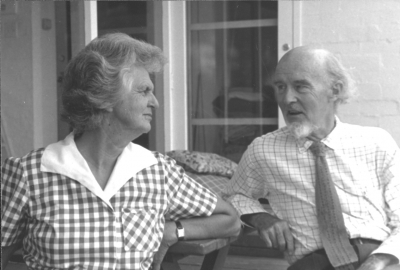
Mark McKenna’s analysis of Manning Clark’s Kristallnacht episode (The Monthly, March 2007) – in which he shows that Clark was not in Bonn on Kristallnacht, that he arrived a couple of weeks later, but that in ensuing years he appropriated his fiancée Dymphna’s experience and account and made it his own without any attribution – may be further illuminated, given another dimension, if we look more closely not at Clark, who, as McKenna shows, wasn’t there, but at Dymphna, who was.
... (read more)I am at the exhibition ‘National Treasures from Australia’s Great Libraries’. I have come to see a picture of a man named Bungaree. I am standing in front of him, but I am distanced. The painting is glazed, low-lit, hung on a wall on the far side of quite a deep display case. If I stand up straight he is in focus, but too far away for me to see the details. As ...

Dear Elizabeth,
Well, it seems our long correspondence is over. Actually it ended some years ago, didn’t it? Your last letter to me is dated Christmas Eve 2001. I continued writing to you into the following year, not immediately realising you were unable to reply, even though your later letters spoke of confusion and of unaccountably getting lost in familiar streets.
... (read more)‘Welcome to the Netherlands!’ the sign says in Dutch and English. The Schipol customs official inspects my Australian passport. ‘Nederlands geboren,’ he sniffs. ‘Zo je komt terug.’ So you’ve come back, he adds, in a tone suggesting that I might have left something behind minutes ago, rather ...

Fremantle’s first real newspaper, The Herald, saw the light of day in a building on the corner of Cliff and High Streets on Saturday, 2 February 1867. The brainchild of two ex-convicts, James Pearce and William Beresford, it soon became the main voice of opposition to colonial autocracy, as well as the voice of Fremantle itself.
... (read more)Early last year, Phillip Adams interviewed the British author Pat Barker on his radio programme, Late Night Live. Pat Barker is a novelist who has journeyed into history, most famously in her Regeneration trilogy about World War I, where she fictionalises real, historical individuals. Adams asked her: ‘Which is better at getting at the truth? Fiction or history?’ Her answer was: ‘Oh, fiction every time.’ Barker is a novelist for whom violence and the fear of violence has been a recurrent, powerful theme. She argued that fiction allowed her to ‘slow down’ the horror so that she and her readers could think about it as it happened. In real life she felt that violence was often so swift and shocking that all one could do was recoil. Fiction gave her freedoms that helped her to convey truth.
... (read more)