Accessibility Tools

  • Content scaling 100%
  • Font size 100%
  • Line height 100%
  • Letter spacing 100%

Memoir

Douglas Stewart has pointed out that James Joyce and Henry Lawson, opposites in art, and living at opposite ends of the earth, once wrote the same story and, each in his own way, made a masterpiece of it. The funeral of Dignam in Ulysses is the same story as Lawson’s ‘The Union Buries Its Dead’. In ‘Dublin and the Bush’ (The Flesh and the Spirit) he persuasively developed this argument.

... (read more)

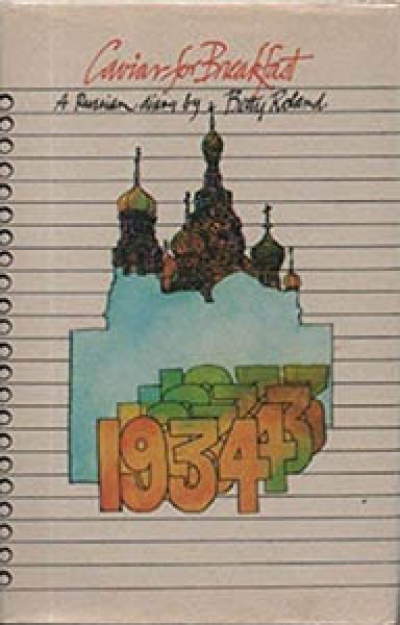
The publisher did scant service to the author by putting a ‘blurb’ before the book, emphasising ideas that are neither implicit nor explicit in it. Betty Roland does not claim to be a prophet.

The old cliché ‘I couldn’t put it down’ was literally true when I read her Caviar for Breakfast, the account of her year in the Soviet Union in 1934.

We all do silly things when we are young!

... (read more)

Given the measure of promise in Archbishop Booth’s formative years, what this memoir calls his ‘golden years’ seem sadly unproductive of lasting substance. The outward flourish of his last years in public office, and the great farewell at the Olympic Pool, do not conceal but rather emphasise the feeling the reader has that he did not nourish his diocese at the spiritual depth it needed to face the sixties.

... (read more)

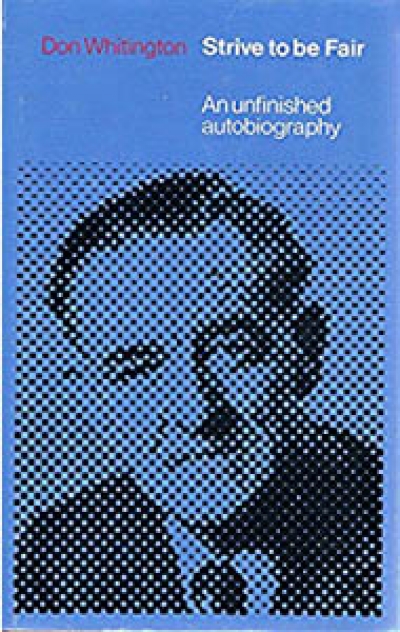
Don Whitington became a journalist seven years before I was born, and moved to Canberra for the first time shortly before the Japanese bombed Pearl Harbor. He died last year, after a tragically bungled series of surgical operations, before he was able to complete his autobiography, Strive to be Fair.

The title is taken from a remark one of the many editors for whom he worked made: ‘There is no such thing as a good objective journalist. If you are not sensitive enough to feel for your subject, to have a point of view, to suffer joy or agony or sympathy about a story you are covering, you will never be a good journalist. Don’t strive to be objective. Strive to be fair.’

... (read more)
Archbishop Mannix by Rev. Walter A. Ebsworth

by
June 1978, no. 1

The task of a biographer dealing with a subject whose life spanned ninety-nine years, during which he became a leading figure in two countries, is difficult indeed. But what is he to make of a man who, though vigorously anti-communist, opposed the banning of the Party, never drank but opposed prohibition, condemned the atomic bomb as indefensible and immoral, spoke against the death penalty and flogging as early as 1924, berated Britain and its politicians but upheld loyalty to the Crown, lived in luxurious surroundings but fainted from malnutrition during the Depression? It was scarcely unfair for his biographer to assert that Frank Hardy and the A.B.C. maligned Mannix.

... (read more)
Page 61 of 61