
The Magic Flute
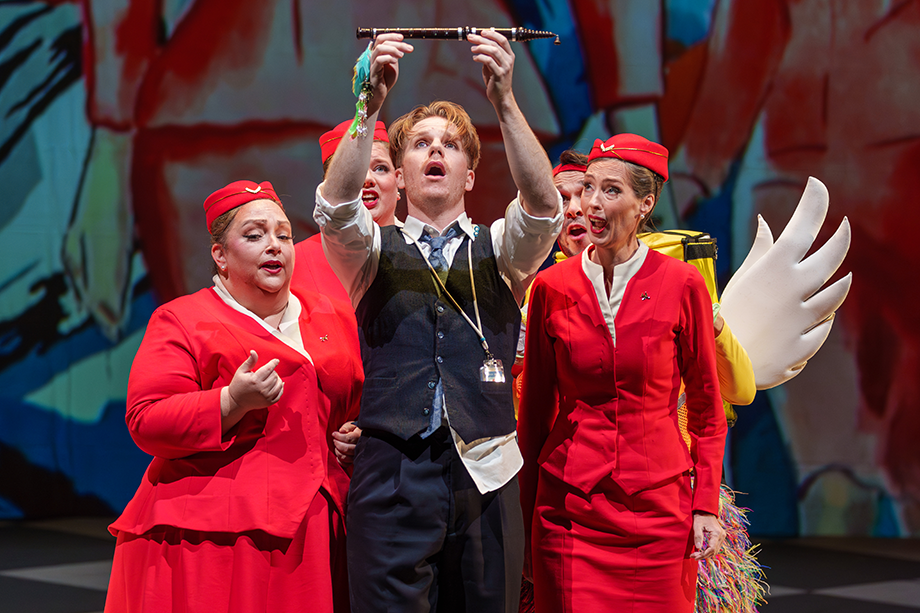
Had Mozart not succumbed to a streptococcal infection in 1791, the year might have been remembered as his annus mirabilis. In less than a year, the composer produced a remarkable sequence of works: two concertos – one for clarinet, the other for piano – the motet Ave verum corpus in D major, and two operas. Both of the operas are firmly embedded in the modern repertoire, but it is not the opera seria La clemenza di Tito (The Clemency of Titus) that was immediately and permanently embraced by audiences, but its near-contemporary, the singspiel Die Zauberflöte (The Magic Flute).
First performed at Vienna’s Freihaus-Theater auf der Wieden in September 1791, in a production conducted by Mozart himself and with its librettist – the actor, impresario, and theatre owner Emanuel Schikaneder – playing Papageno, Die Zauberflöte was an unqualified success. Having won over Viennese audiences, Mozart’s ebullient score and Schikaneder’s fairy-tale-like plot dazzled German and thereafter European opera houses, a popular embrace that remains bear-like to this day. It is, by some accounts, the third most frequently performed opera in the world.
Continue reading for only $10 per month. Subscribe and gain full access to Australian Book Review. Already a subscriber? Sign in. If you need assistance, feel free to contact us.






Leave a comment
If you are an ABR subscriber, you will need to sign in to post a comment.
If you have forgotten your sign in details, or if you receive an error message when trying to submit your comment, please email your comment (and the name of the article to which it relates) to ABR Comments. We will review your comment and, subject to approval, we will post it under your name.
Please note that all comments must be approved by ABR and comply with our Terms & Conditions.