Rusalka
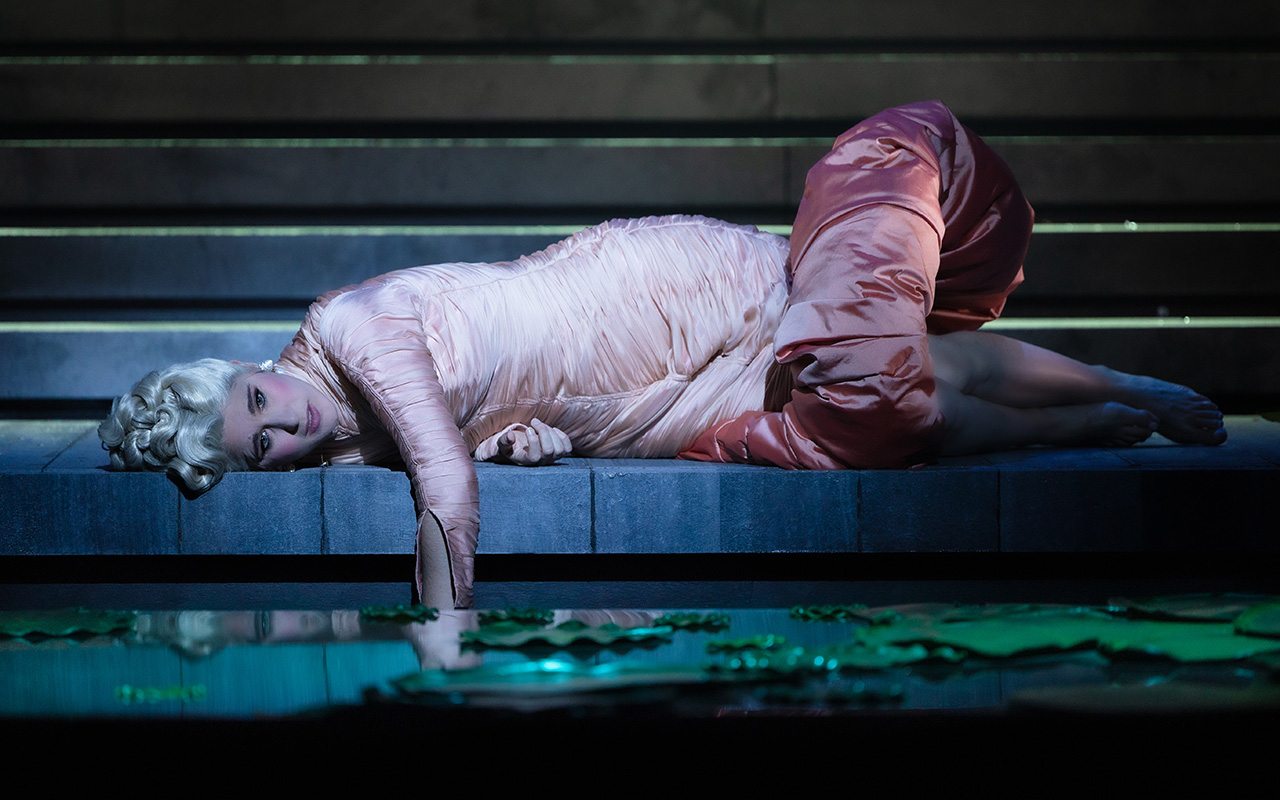
A week ago, on the stage of the Joan Sutherland Theatre, a desperate tenor killed his soprano lover in a blind, frustrated fury. This week the tenor hero is killed – if that is the right way to characterise it – by the soprano who loves him, but a different complex of emotions accompanies this operatic death as he dies blessing her.
The quarter century between the première of Georges Bizet’s Carmen (1875) and Antonin Dvořák’s Rusalka (1901) saw perhaps the most extensive developments in the history of opera. Richard Wagner’s magisterial Der Ring des Nibelungen premièred a year later in 1876 in Bayreuth; opera would never be the same again, and Wagner’s influence would impact the broader culture in Europe and beyond unlike that of any musician before or since. Giuseppe Verdi in Italy was reaching his productive final years, culminating in his great Shakespearean works, Otello (1887) and Falstaff (1893).
Continue reading for only $10 per month. Subscribe and gain full access to Australian Book Review. Already a subscriber? Sign in. If you need assistance, feel free to contact us.